

You’ve found a property in Calpe you really like, but you’re not sure whether the asking price leaves room for negotiation. The agent says you can make an offer. Sounds straightforward enough, until you start wondering what to put in writing and what happens if the seller says yes.
In Spain, an accepted offer can sometimes create legal obligations before you’ve signed an arras contract or paid a deposit. You need to know what you’re agreeing to, particularly if you’re still arranging a mortgage or haven’t finished checking the property.
How Much Should You Offer on a Property in Spain?
There’s no fixed percentage you should offer below the asking price in Spain. Some sellers leave room for negotiation, while others price their properties close to what they’re prepared to accept. Offering 10% less simply because you’ve heard that’s what buyers do in Spain isn’t a particularly good strategy.
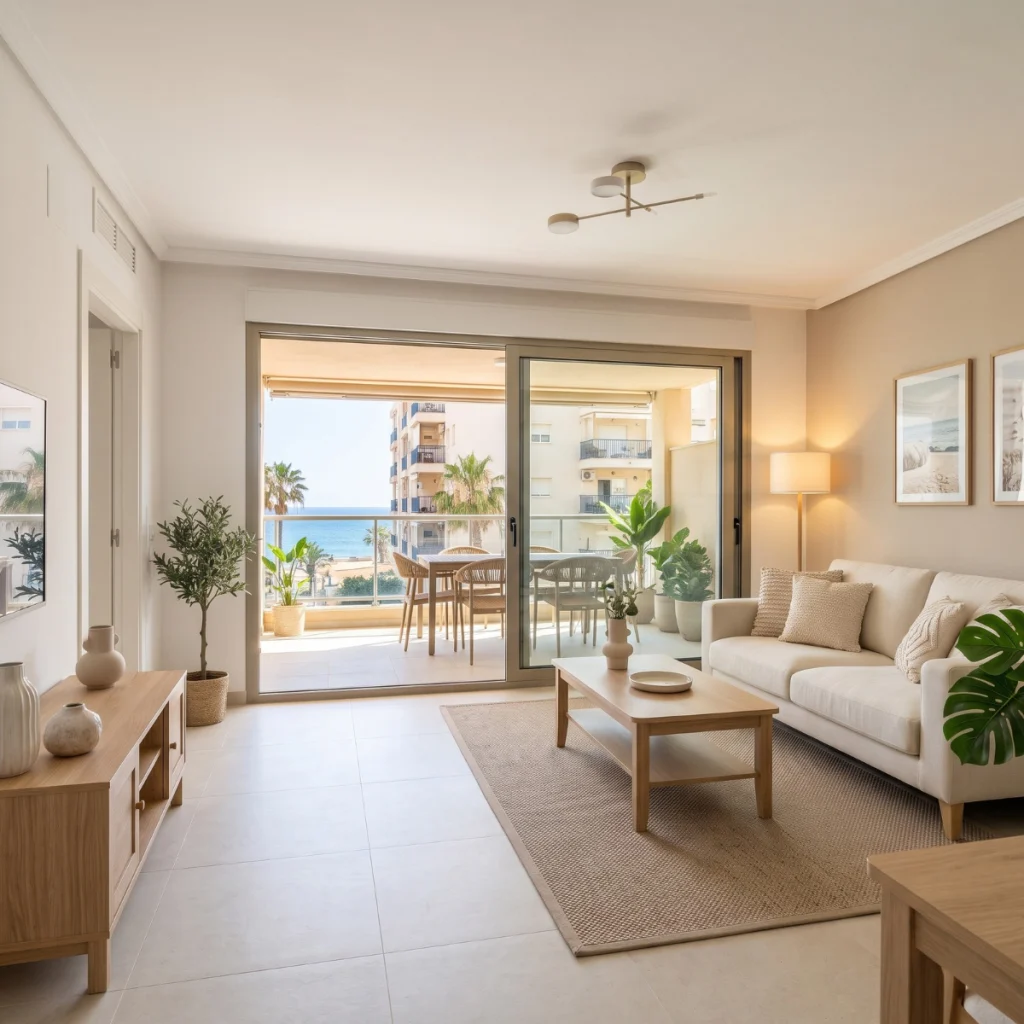
Compare the asking prices of similar properties in the area. A two-bedroom apartment overlooking La Fossa beach in Calpe isn’t necessarily comparable with one a few streets back, even if they’re roughly the same size. The floor it’s on, outdoor space, parking, views and condition of the building can all make a difference. Property portals are useful for comparison, but the advertised prices won’t necessarily reflect what buyers eventually pay.
How long has the property been on the market? Has the asking price already been reduced? A seller who’s been trying to sell for several months might be more open to negotiating than someone who’s only just listed. That doesn’t guarantee they’ll accept less, but it helps you judge how realistic your offer might be.
An older villa in Calpe might need a new kitchen, updated electrics or substantial work around the pool. Get realistic estimates for anything expensive before deciding what to offer. Some problems also need investigating rather than simply negotiating a lower price. If an extension or converted underbuild raises questions about planning permission, your lawyer will need to look into it.
Set your maximum budget before negotiations begin. The purchase price is only part of what you’ll spend. You’ll also need money for taxes, legal fees and other property buying costs in Calpe, plus any work you plan to carry out after moving in.
How to Make an Offer and What to Put in Writing
Once you’ve decided what you’re prepared to pay, the next step is usually to make your offer through the estate agent handling the sale. You can discuss the price first, but before sending a formal written offer, it’s sensible to have your independent Spanish property lawyer check the proposed terms.
Your written offer should identify you and the property, state your proposed price, explain how you intend to pay and give an idea of when you’d like to complete the purchase. Spell out what’s included as well. If you’ve viewed an apartment in Calpe with an underground parking space, storage room or furniture, list anything you expect to receive as part of the sale.
A buyer who’s ready to proceed without a mortgage may be in a different position from someone still arranging finance. If you need a mortgage, have your lawyer include an appropriate financing condition. The same applies if important legal or property checks are outstanding. Simply mentioning these concerns in an email doesn’t necessarily give you the right to withdraw later.
Give the seller a reasonable deadline to respond. They may need time to consider your offer, particularly if they’re overseas, but leaving a proposal open indefinitely could complicate your search if you’re also considering other properties.
Some estate agents will have an offer form for you to complete, while others may pass on your proposal by email. Ask for a copy of what was sent to the seller so you know your conditions have been communicated accurately. Find out whether the agency expects you to pay any buyer’s fees and when these would be due. If a form includes payment requests or terms you haven’t discussed, have the wording checked before agreeing to them.
What Happens When the Seller Accepts Your Offer?
The seller can accept your offer, reject it or come back with a counteroffer. They might suggest a higher price, a different completion date or changes to what’s included in the sale. You can then decide whether those terms work for you or continue negotiating.
For example, a seller in Calpe might agree to your price but want to complete within six weeks. That could be fine if you’re buying with cash and everything is in order. If you’re arranging a mortgage, though, you need to be realistic about how quickly the bank and your lawyer can complete their work.
Once the seller accepts, ask the estate agent for written confirmation of the final terms, including any changes made during negotiations. Establish whether the property will be taken off the market and when that will happen. An accepted offer doesn’t mean the advertising will stop.
Acceptance may already have legal consequences. Under Spanish law, a sale can become binding once the parties agree on the property and price, even before a deposit changes hands or an arras contract is signed. The exact position depends on the terms agreed, any outstanding conditions and whether a legally binding agreement has actually been formed. Your lawyer can clarify what obligations, if any, you and the seller have taken on.
What to Check Before You Sign or Pay a Deposit
Property checks should already be underway while you’re negotiating, rather than starting when someone asks for a deposit. Your independent Spanish property lawyer should be reviewing the paperwork and identifying anything that needs resolving. Ask what’s been checked, what’s still outstanding and how the proposed agreement protects you if a problem comes to light.

A nota simple from the Land Registry can show who is registered as the owner and whether there are registered mortgages, other charges or restrictions. It’s an important first check, but it doesn’t tell you everything about the property’s condition or planning status. The latest IBI (municipal property tax) bill and any outstanding payments also need checking.
The paperwork needs to match what you’re actually buying. An enclosed terrace, converted garage or swimming pool added years ago may raise questions about planning permission. The relevant records and permissions need checking, even if the alterations appear in the Catastro, Spain’s administrative property register. A building survey is worth considering too, particularly with older properties. Legal checks won’t tell you whether the roof is leaking or the electrics need replacing.
For apartments, find out about the community fees and any outstanding debts or planned major works. Ask for a certificate showing whether the seller is up to date with community payments, rather than relying on a verbal assurance. Certain unpaid community charges can still affect the property after it’s sold. Recent community meeting minutes are worth reading too, particularly if there’s talk of replacing lifts, repairing the building or carrying out expensive maintenance. A special contribution from owners, known as a derrama, could add to your costs.
Check who is living in the property as well. If it’s rented, the existing tenancy may affect when you can move in. Your lawyer should review the tenancy terms and establish whether the property can be handed over vacant on the agreed completion date.
If you’re relying on a mortgage, an initial indication from the bank isn’t a final approval. The lender’s valuation and remaining checks could affect how much you’re able to borrow. Your purchase agreement needs to account for that uncertainty.
Reservation Agreements and Arras: What Happens to Your Deposit?
Once your offer has been accepted, you may be asked to pay a reservation deposit or sign an arras agreement. Both involve paying money towards a property purchase, but the terms can be quite different. Neither is automatically required by law, so it’s important to understand what you’re agreeing to before transferring anything.
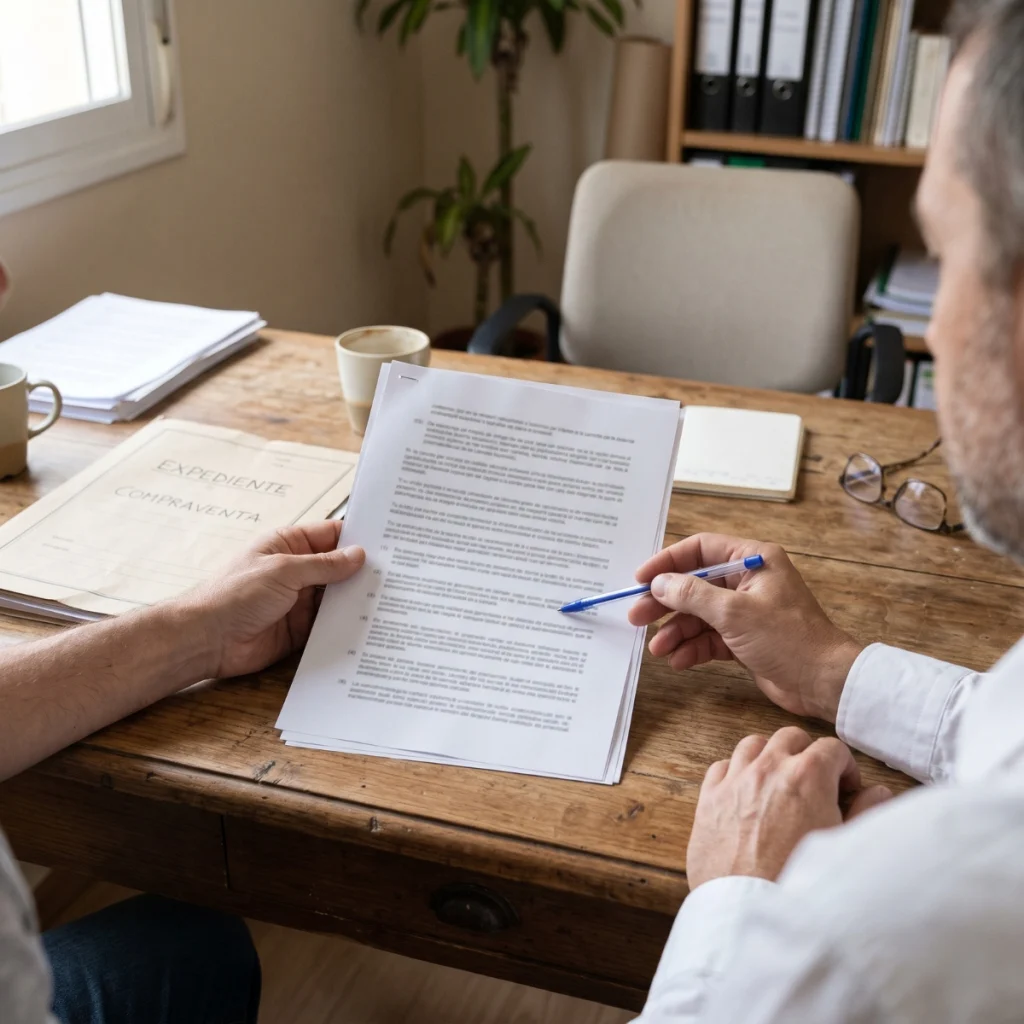
A reservation agreement is often used to secure a property while the next steps are arranged. Find out whether the seller has accepted the reservation and under what circumstances your money would be returned. If the seller agrees to take the property off the market, the agreement should explain how long that arrangement lasts and what happens if the sale doesn’t proceed. The fact that a payment is described as a holding deposit doesn’t necessarily make it refundable.
You’ll also want to know who’s receiving the money. Is it going directly to the seller or being held by the estate agent? The agreement should identify the recipient, explain how the payment will be treated and confirm whether it counts towards the purchase price. Keep a record of the transfer and obtain a receipt.
An arras contract is a private agreement setting out the purchase commitment and the payment made towards it. You may hear that buyers in Spain always pay 10%, which is very normal.
With arras penitenciales, Article 1454 of the Spanish Civil Code allows either party to withdraw when this arrangement has been expressly agreed. If the buyer withdraws, they lose the deposit. If the seller withdraws, they must return twice the amount received. However, this rule doesn’t automatically apply to every deposit. Arras confirmatorias are generally an advance payment confirming the sale, without giving either party a straightforward right to walk away. Arras penales usually establish penalties for breach rather than a free right to withdraw, so the precise wording matters.
If your purchase depends on a mortgage, pay close attention to the deposit conditions. The agreement should specify the deadline for obtaining finance, what evidence you must provide if the bank refuses and whether the deposit will be returned in those circumstances. Without suitable protection, a rejected mortgage application could leave your deposit at risk. Any outstanding legal or planning issues also need to be addressed in the agreement.
Before signing, check the deadline for completing the purchase at the notary, how much you’ve paid, how that money will count towards the final price and what happens if either party cannot meet the agreement. Have your independent lawyer review the document rather than relying on a standard contract supplied by the agent.

Sina
Founder of Solinea Real Estate, based in Calpe. Sina helps buyers and sellers across the Costa Blanca North with honest, local guidance.