Home / Resources / Calpe Old Town: What It Is Like and Why It Is Worth the Walk
areas

Calpe Old Town: What It Is Like and Why It Is Worth the Walk

Sina By Sina 20 February 2026 7 min read
Calpe Old Town: What It Is Like and Why It Is Worth the Walk

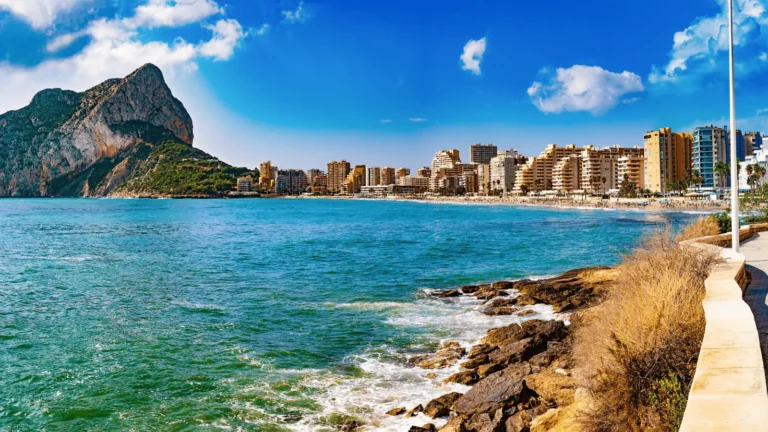
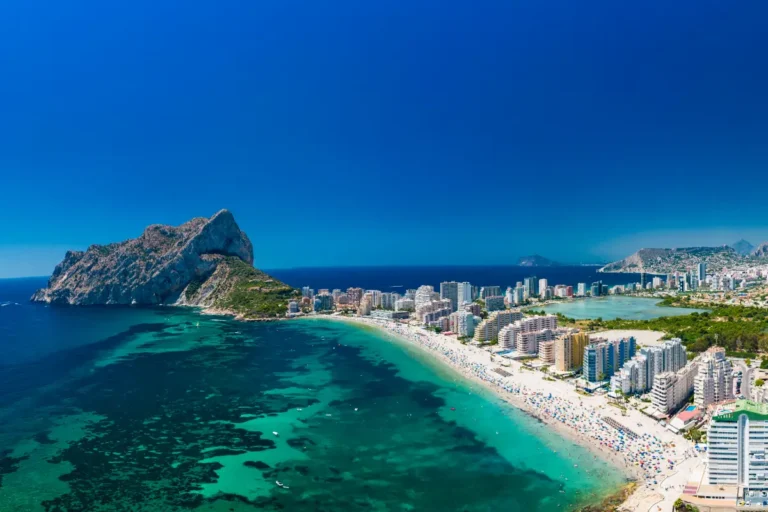
Most visitors to Calpe never leave the beachfront. They spend a week between Arenal-Bol and La Fossa, eat along the promenade, and go home without knowing there is a completely different side of the town ten minutes uphill.

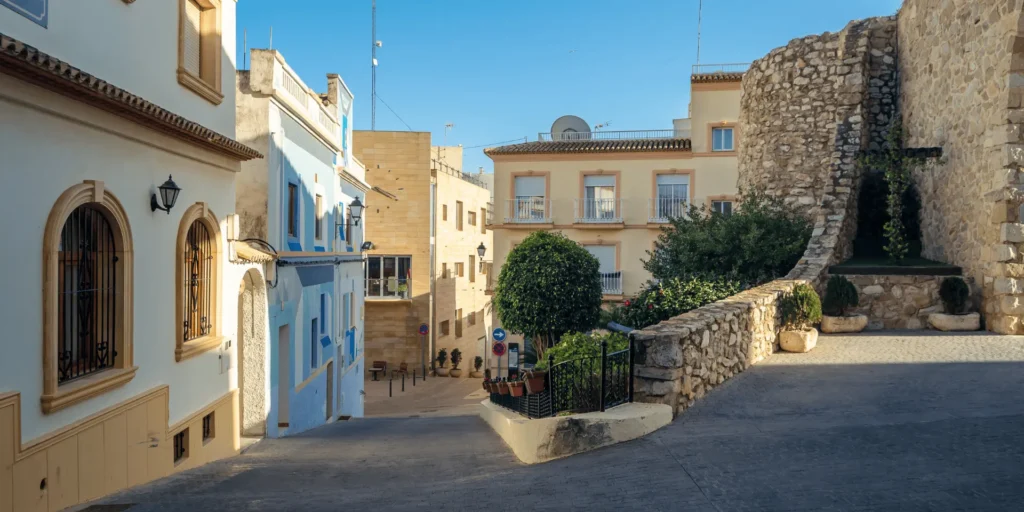
Calpe Old Town is that other side. Narrow stepped streets, painted facades in faded pinks and yellows, small squares where older men sit with coffee in the morning, and a quiet that feels out of place when you remember the beach is right there. It is the part of Calpe that existed before the apartments and the tourism, and it still has that feel.

If you are in Calpe and wondering whether to make the walk up, the short answer is yes. It takes fifteen minutes from the sand, it costs nothing, and it shows you a version of the town that most people miss entirely.

Where It Is and How to Get There
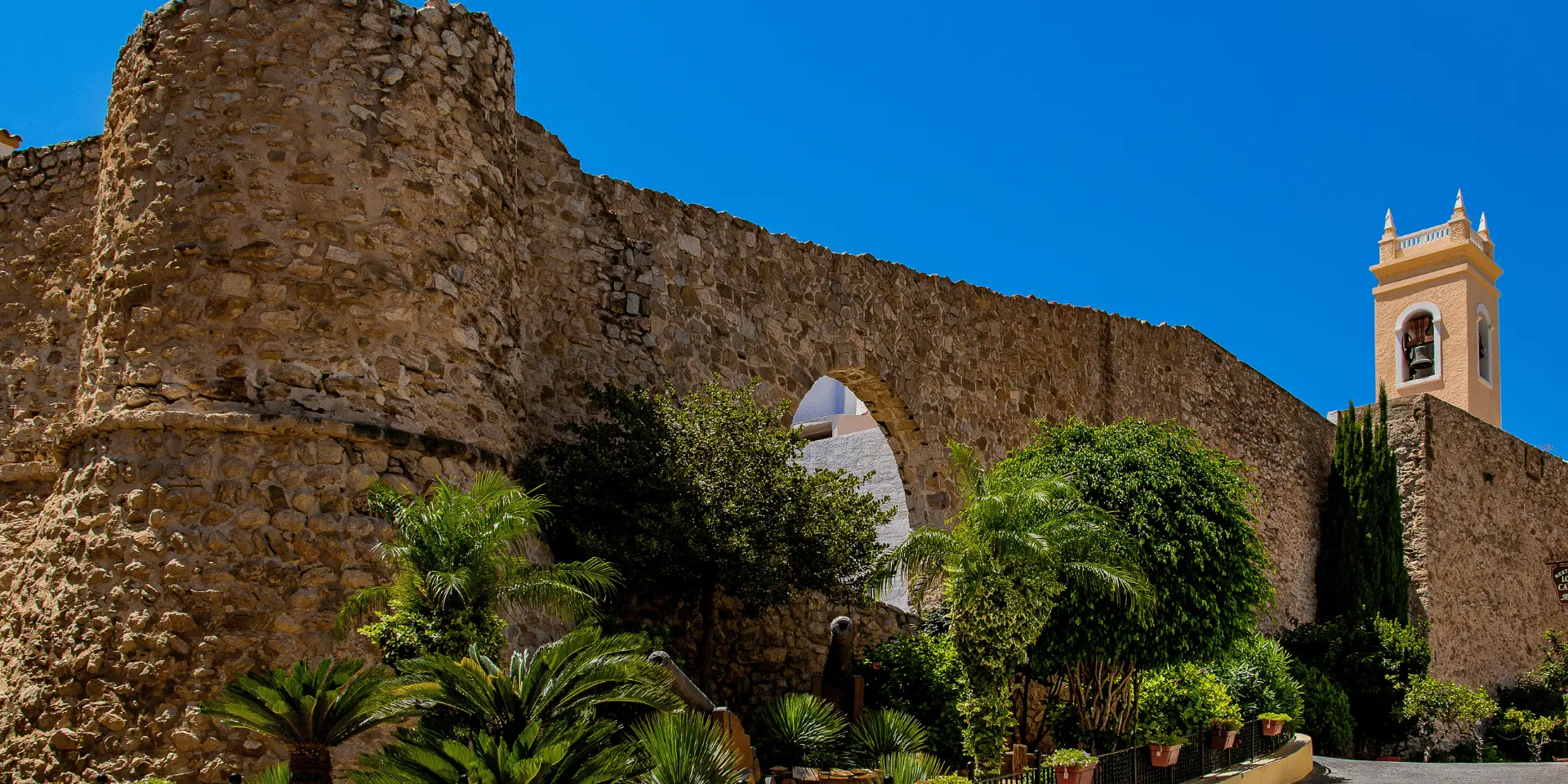
Ancient stone city walls and Iglesia Antigua tower in Calpe Old Town, Costa Blanca Spain

The old town sits just inland from Playa Arenal-Bol, slightly uphill from the main seafront. You can see the church tower from the promenade, which gives you a rough direction.

The easiest route is to walk up from the southern end of Arenal-Bol, following the signs toward Plaza de la Villa. The streets narrow and steepen as you go, and within a few minutes the apartment blocks and tourist shops give way to something older and quieter. You don’t need to drive. In fact, driving in the old town is more trouble than it’s worth because the streets were built for people and donkeys, not cars.

If you are coming from La Fossa or the northern end of town, it is a slightly longer walk but still straightforward. Everything in Calpe is close together once you stop looking at the map and just start walking.

What to See and Do

The best way to experience the old town is to walk it slowly and let the streets lead you rather than following a fixed route. That said, there is a natural circuit that takes in most of what is worth seeing.

Start at Plaza de la Villa, the main square and the centre of the old town. It is small, with a handful of cafes around the edges and a church at one end. On a weekday morning it is quiet, just a few people having breakfast and someone sweeping a doorstep. During fiestas it is the opposite, packed with noise, colour, and half the town. That contrast is part of what gives the place its character.

From the square, head toward the Iglesia Antigua, the old church that has stood here for centuries. It is not a grand cathedral. It is a modest, thick-walled building that looks like what it is: a church built in a time when the town needed to defend itself. The Torreó de la Peça, a remnant of the old defensive walls, is nearby and occasionally hosts small exhibitions.

The streets around here are where the Moorish origins show most clearly. Tight corners, stepped passageways, and buildings set close together to create shade and make the narrow lanes harder to attack. It was practical rather than decorative, and you can still read that logic in the layout if you pay attention. The streets were not designed to be charming. They just ended up that way.

Walk downhill from the church and you reach the painted flag steps, a staircase in red and yellow that has become one of the more photographed spots in Calpe. From the upper streets back near the plaza, the views open up across the rooftops toward the sea and the Peñón de Ifach. Late afternoon is the best time for this, when the light warms the facades and the whole place softens.

The weekly market brings a regular burst of energy to the streets nearby. Stalls sell fruit, vegetables, clothes, leather goods, and the kind of things you don’t need but end up buying anyway. It draws a mix of locals and visitors and gives the area a rhythm that repeats through the year regardless of the tourist season.

Where to Eat and Drink

The restaurant scene in the old town is small, but that is the point. It is not the promenade. There are no long rows of tourist menus in four languages with photographs of paella on a board outside.

What you get instead is a handful of independent spots, mostly Spanish, serving traditional food at reasonable prices. Tapas bars where the waiter knows the regulars, small restaurants where the menu changes depending on what came in that morning, and cafes where a coffee and a tostada costs what it should. The atmosphere is quieter and more local than the seafront, which suits some people and doesn’t suit others.

If you want a long evening of bar-hopping and cocktails, stay on the promenade. If you want grilled fish, a glass of wine, and a conversation that isn’t drowned out by passing traffic, head up the hill.

A few of the restaurants in the old town are genuinely good and worth seeking out rather than stumbling into. Ask locally. The ones that don’t advertise are often the ones worth finding.

How It Compares to the Beachfront

They are two different sides of the same town, and both are worth seeing.

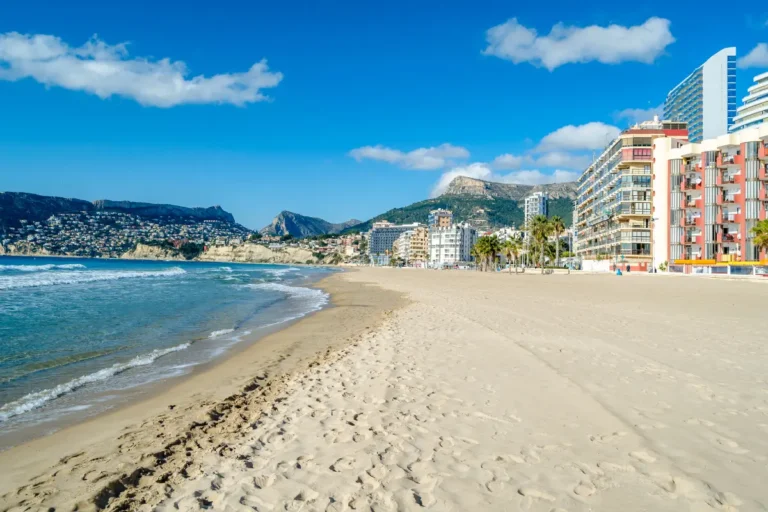
The beachfront is where the energy is, especially in summer. Tall apartment buildings, wide promenades, beach bars, and a constant flow of people between the sand and the restaurants. It is lively, easy, and built around the sea.

The old town is the opposite in almost every way. Low buildings, narrow streets, a steadier pace that doesn’t change much between July and January. The people you pass in the old town tend to live there. It has a residential hum rather than a holiday buzz, and that is what gives it a different feel.

Neither is better. They just suit different moods. You could spend the morning on Arenal-Bol, walk up to the old town for lunch and an afternoon wander, and feel like you have been in two different places. That mix is one of the things that makes Calpe more interesting than a lot of the Costa Blanca, where the beachfront is all there is.

Thinking of Staying Longer?

It happens more often than you’d expect. Someone walks up from the beach, spends an hour in the old town, and starts thinking about what it would be like to live in one of those houses with a roof terrace overlooking the church. The quiet streets, the year-round community, the fact that everything you need for daily life is within walking distance. It adds up quickly.

Property in the old town is a specific part of the Calpe market. Mostly townhouses and smaller apartments, often with character you won’t find in a beachfront block, and generally at lower prices per square metre than the sea-view areas. Some need renovation, some are already done beautifully.

If you are curious about what is available, tell us what you are looking for and Sina will come back to you personally with properties that fit. We know these streets well because we live here, and we can tell you which ones get morning sun and which don’t, which is the kind of detail that matters more than it sounds.

And if you are not ready to buy but want to try living here for a week or two, our sister company Elite Costa Blanca runs carefully chosen holiday rentals in Calpe.

Sina
Written by

Sina

Founder of Solinea Real Estate, based in Calpe. Sina helps buyers and sellers across the Costa Blanca North with honest, local guidance.
Stay informed

Join the Calpe buyer list

New listings and local market updates for Calpe and the Costa Blanca North. Occasional emails only.

No spam, and you can unsubscribe any time.

Calpe Old Town: What It Is Like and Why It Is Worth the Walk

Most visitors to Calpe never leave the beachfront. They spend a week between Arenal-Bol and La Fossa, eat along the promenade, and go home without knowing there is a completely different side of the town ten minutes uphill.

Calpe Old Town is that other side. Narrow stepped streets, painted facades in faded pinks and yellows, small squares where older men sit with coffee in the morning, and a quiet that feels out of place when you remember the beach is right there. It is the part of Calpe that existed before the apartments and the tourism, and it still has that feel.

If you are in Calpe and wondering whether to make the walk up, the short answer is yes. It takes fifteen minutes from the sand, it costs nothing, and it shows you a version of the town that most people miss entirely.

Where It Is and How to Get There

Ancient stone city walls and Iglesia Antigua tower in Calpe Old Town, Costa Blanca Spain

The old town sits just inland from Playa Arenal-Bol, slightly uphill from the main seafront. You can see the church tower from the promenade, which gives you a rough direction.

The easiest route is to walk up from the southern end of Arenal-Bol, following the signs toward Plaza de la Villa. The streets narrow and steepen as you go, and within a few minutes the apartment blocks and tourist shops give way to something older and quieter. You don’t need to drive. In fact, driving in the old town is more trouble than it’s worth because the streets were built for people and donkeys, not cars.

If you are coming from La Fossa or the northern end of town, it is a slightly longer walk but still straightforward. Everything in Calpe is close together once you stop looking at the map and just start walking.

What to See and Do

The best way to experience the old town is to walk it slowly and let the streets lead you rather than following a fixed route. That said, there is a natural circuit that takes in most of what is worth seeing.

Start at Plaza de la Villa, the main square and the centre of the old town. It is small, with a handful of cafes around the edges and a church at one end. On a weekday morning it is quiet, just a few people having breakfast and someone sweeping a doorstep. During fiestas it is the opposite, packed with noise, colour, and half the town. That contrast is part of what gives the place its character.

From the square, head toward the Iglesia Antigua, the old church that has stood here for centuries. It is not a grand cathedral. It is a modest, thick-walled building that looks like what it is: a church built in a time when the town needed to defend itself. The Torreó de la Peça, a remnant of the old defensive walls, is nearby and occasionally hosts small exhibitions.

The streets around here are where the Moorish origins show most clearly. Tight corners, stepped passageways, and buildings set close together to create shade and make the narrow lanes harder to attack. It was practical rather than decorative, and you can still read that logic in the layout if you pay attention. The streets were not designed to be charming. They just ended up that way.

Walk downhill from the church and you reach the painted flag steps, a staircase in red and yellow that has become one of the more photographed spots in Calpe. From the upper streets back near the plaza, the views open up across the rooftops toward the sea and the Peñón de Ifach. Late afternoon is the best time for this, when the light warms the facades and the whole place softens.

The weekly market brings a regular burst of energy to the streets nearby. Stalls sell fruit, vegetables, clothes, leather goods, and the kind of things you don’t need but end up buying anyway. It draws a mix of locals and visitors and gives the area a rhythm that repeats through the year regardless of the tourist season.

Where to Eat and Drink

The restaurant scene in the old town is small, but that is the point. It is not the promenade. There are no long rows of tourist menus in four languages with photographs of paella on a board outside.

What you get instead is a handful of independent spots, mostly Spanish, serving traditional food at reasonable prices. Tapas bars where the waiter knows the regulars, small restaurants where the menu changes depending on what came in that morning, and cafes where a coffee and a tostada costs what it should. The atmosphere is quieter and more local than the seafront, which suits some people and doesn’t suit others.

If you want a long evening of bar-hopping and cocktails, stay on the promenade. If you want grilled fish, a glass of wine, and a conversation that isn’t drowned out by passing traffic, head up the hill.

A few of the restaurants in the old town are genuinely good and worth seeking out rather than stumbling into. Ask locally. The ones that don’t advertise are often the ones worth finding.

How It Compares to the Beachfront

They are two different sides of the same town, and both are worth seeing.

The beachfront is where the energy is, especially in summer. Tall apartment buildings, wide promenades, beach bars, and a constant flow of people between the sand and the restaurants. It is lively, easy, and built around the sea.

The old town is the opposite in almost every way. Low buildings, narrow streets, a steadier pace that doesn’t change much between July and January. The people you pass in the old town tend to live there. It has a residential hum rather than a holiday buzz, and that is what gives it a different feel.

Neither is better. They just suit different moods. You could spend the morning on Arenal-Bol, walk up to the old town for lunch and an afternoon wander, and feel like you have been in two different places. That mix is one of the things that makes Calpe more interesting than a lot of the Costa Blanca, where the beachfront is all there is.

Thinking of Staying Longer?

It happens more often than you’d expect. Someone walks up from the beach, spends an hour in the old town, and starts thinking about what it would be like to live in one of those houses with a roof terrace overlooking the church. The quiet streets, the year-round community, the fact that everything you need for daily life is within walking distance. It adds up quickly.

Property in the old town is a specific part of the Calpe market. Mostly townhouses and smaller apartments, often with character you won’t find in a beachfront block, and generally at lower prices per square metre than the sea-view areas. Some need renovation, some are already done beautifully.

If you are curious about what is available, tell us what you are looking for and Sina will come back to you personally with properties that fit. We know these streets well because we live here, and we can tell you which ones get morning sun and which don’t, which is the kind of detail that matters more than it sounds.

And if you are not ready to buy but want to try living here for a week or two, our sister company Elite Costa Blanca runs carefully chosen holiday rentals in Calpe.

Leave a Comment