

Home / Resources / Buying an Apartment in Calpe: What You Need to Know First
buyers

Buying an Apartment in Calpe: What You Need to Know First

Sina By Sina 18 November 2026 11 min read
Aerial view of apartment buildings in Calpe near the Peñón de Ifach and fishing harbour.

An apartment can win you over before you’ve even finished the viewing. You’re standing on the terrace, looking out at the sea and already picturing yourself spending time there. But there’s quite a difference between falling in love with a property and knowing it’s a sensible purchase.

If you’re buying an apartment in Calpe, the photographs and asking price only tell you so much. Some of the things that matter most aren’t obvious at first, and knowing what to ask can make all the difference.

Before you make an offer, here’s what I’d want you to consider.

Best Areas to Buy an Apartment in Calpe

Arenal-Bol and the town centre are particularly convenient if you want shops, restaurants and everyday services within walking distance. There are modern beachfront apartments as well as older properties farther inland, which may be worth considering if a sea view isn’t your main priority. Check for lifts and parking in older buildings, especially around the town centre.

La Fossa has plenty of apartments close to the promenade, many with communal pools and views towards the Peñón de Ifach. It’s a popular holiday area, with a much busier atmosphere in summer than winter. You can manage quite comfortably around the beachfront without a car, although the distance from the town centre is worth considering when comparing La Fossa and Arenal-Bol.

For somewhere more residential, Manzanera is worth exploring. Its coastal setting and distinctive apartment buildings make it quite different from the main beachfront areas. Some streets are steep, though, so I’d recommend walking the route to the nearest shops before deciding whether the location suits you.
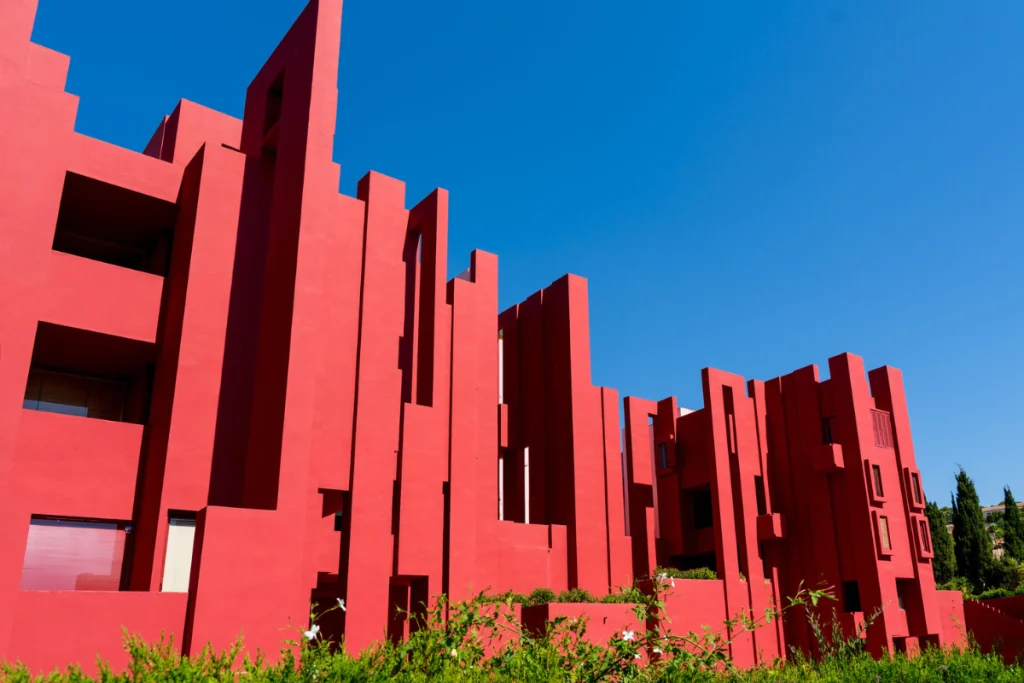
La Muralla Roja residential apartment complex in Manzanera, Calpe.

Around the Port and Cantal Roig, you’re close to the fishing harbour, seafood restaurants and a smaller sandy beach. It’s an attractive alternative to the main promenades, particularly if you enjoy walking along the coast. Parking can be difficult during busy periods, so check what’s available with any apartment you’re considering.

If you’re undecided between locations, try viewing properties in different parts of Calpe. An apartment a few streets back from the beach might offer more space or easier parking for the same budget, which could be a worthwhile compromise if you plan to spend several months here each year.

What Affects Apartment Prices in Calpe?

Two apartments in the same building can have noticeably different asking prices. A higher-floor property with open sea views may cost considerably more than one overlooking the street, despite having an almost identical layout.

Across Calpe, property prices reflect location, size, condition and proximity to the beach. Properties with uninterrupted sea views, spacious terraces or modern facilities generally ask for higher prices, particularly in sought-after beachfront locations.

Older apartments around the town centre or farther from the beachfront may offer better value, especially if you’re happy to renovate. Just be careful when comparing them with properties that are ready to move into. Replacing windows, updating bathrooms or installing a new kitchen can quickly eat into the money you’ve saved on the purchase.

Comparing the price per square metre can help, provided you’re looking at comparable measurements and understand whether terraces or other areas have been included. A larger advertised floor area doesn’t always mean more usable living space.

Looking at several similar apartments will give you a better feel for what represents reasonable value. Remember, though, that advertised prices aren’t necessarily what sellers eventually accept.

Resale vs New-Build Apartments in Calpe

Resale apartments give you plenty of choice in areas such as Arenal-Bol, La Fossa and the town centre, where many buildings have been standing for decades. You can see the finished property, its views and what’s been built around it before making a decision.

Older properties sometimes offer more generous rooms or terraces, but their layouts can feel dated. If you’re planning to renovate, it’s worth distinguishing cosmetic improvements from work involving plumbing, structural walls or shared parts of the building. Those are very different projects, and you should have the changes you want assessed before assuming they’re possible.

New-build apartments may be more appealing if you want modern insulation, better energy efficiency, contemporary layouts and fewer immediate renovation concerns. Many new-build developments in Calpe also offer underground parking, communal pools and other facilities.

Check the actual room sizes carefully, as some new apartments have quite compact living areas. Swimming pools and other shared facilities can also increase community fees.

For permanent living, I’d pay particular attention to storage, layout and everyday convenience rather than choosing based on the property’s age. A completed new-build apartment may appeal more if you’re buying a holiday home and want somewhere ready to use without renovations.

Buying off-plan involves additional considerations. You need to understand the construction timetable and what happens if completion is delayed. Have an independent solicitor check the developer’s documentation, specifications and payment guarantees before committing.

What to Check When Viewing an Apartment in Calpe

Photographs can make rooms appear much larger than they are. During a viewing, check whether the bedrooms can accommodate the furniture you need and how much storage is available. Pay attention to the layout and whether the living space feels comfortable for the way you intend to use it.

Terrace orientation is particularly important in Calpe. A south-facing terrace generally receives more sunshine, while west-facing properties can become very warm during summer afternoons. Consider wind exposure too, particularly on higher floors, and whether neighbouring buildings overlook your outdoor space.

Noise deserves attention, especially around the beachfront and town centre. Open the windows and listen for traffic, nearby restaurants or activity from neighbouring properties. An apartment that seems peaceful during a weekday viewing might feel quite different during the summer holidays.

Inside, check the condition of the windows, shutters, air conditioning and ventilation. Look for signs of damp around ceilings, external walls and balcony doors, particularly in older coastal properties. Any concerns about the property’s condition should be investigated by a qualified professional before you commit.

If you’re seriously considering an apartment, try visiting again at a different time of day. You’ll see how the natural light changes and get a better idea of the surrounding activity. The same apartment can feel surprisingly different between a quiet morning and a busy afternoon.

Community Fees and Building Checks Before Buying

An apartment might look immaculate inside while the building itself needs expensive repairs. That’s why it’s important to understand how the community is managed and what you’ll be expected to contribute towards its upkeep.
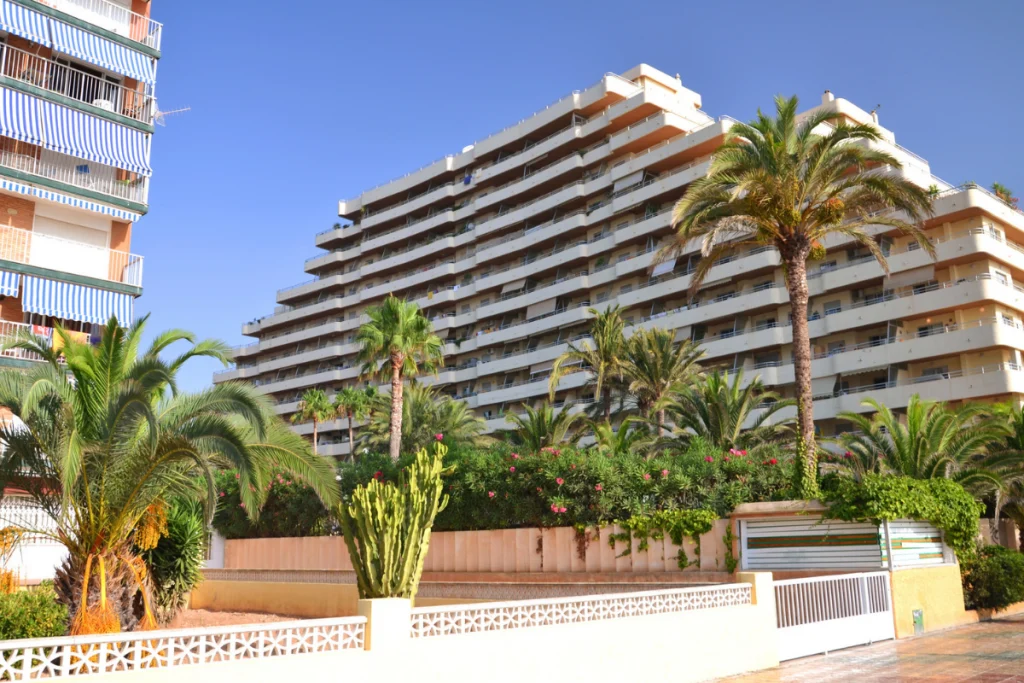
Apartment buildings in Calpe with balconies, palm trees and landscaped communal gardens.

Most apartment buildings have community fees, known in Spain as gastos de comunidad. These cover shared expenses such as cleaning, lift maintenance, building insurance and communal facilities, depending on the development. Buildings with swimming pools, gardens or other shared amenities may have higher fees.

Ask for the latest community accounts and meeting minutes. These can reveal whether the building has sufficient money set aside for maintenance, if owners have discussed major repairs or whether there are financial problems within the community.

A derrama is an additional contribution owners may have to pay towards major expenses, such as repairing a roof, renovating the façade or replacing a lift. Regular community fees might seem reasonable, but an upcoming derrama could mean a substantial extra bill.

Pay attention to the communal areas during your viewing. The condition of entrances, stairwells, lifts and exterior surfaces can tell you something about how the building is maintained. In coastal properties, exposure to salt air and weather makes regular upkeep particularly important.

Your solicitor should also check the seller’s community debt certificate and clarify responsibility for any outstanding or approved contributions. The timing of when certain payments become due can matter, even when the work was agreed before the sale.

Low community fees can sound attractive, but they aren’t necessarily a sign of good management. I’d be more interested in whether the building is properly maintained and has a sensible plan for future repairs.

The Costs of Buying and Owning an Apartment in Calpe

Alongside the agreed purchase price, you’ll need to budget for buying costs in Calpe and the regular expenses that follow ownership.

For a resale apartment, you’ll generally pay property transfer tax, known as ITP, alongside notary, Land Registry and legal fees. New-build purchases are treated differently, with VAT (IVA) and stamp duty (AJD) generally applying to qualifying first sales by developers. Mortgage arrangements and transferring money from abroad can also involve additional expenses.

Once you own the apartment, the main ongoing expenses typically include:

  • IBI: The annual municipal property tax.
  • Community fees: Contributions towards maintaining the building and shared facilities.
  • Rubbish collection: The applicable municipal waste collection charge.
  • Insurance and utilities: Appropriate property insurance, electricity, water and internet.
  • Maintenance: Repairs, servicing and replacing equipment when needed.

If you’re a non-resident owner, you may also have Spanish tax obligations even when the apartment isn’t rented out. A qualified tax adviser can explain what applies to your circumstances.

Before making an offer, request the latest IBI bill, community fee information and recent utility bills. These give you a more realistic idea of what you’ll be spending each year, particularly when comparing apartments in different developments.

Leave some money in your budget for unexpected repairs, furniture or appliances too. Having funds available after completion is important, especially if you’re buying an older property that may need attention during your first year of ownership.

Can You Rent Out an Apartment in Calpe?

Yes, but the type of rental matters. Ordinary residential letting and short holiday stays are subject to different rules, so it’s important to understand what you intend to offer before buying.

For tourist accommodation covered by Valencian holiday-rental regulations, the property must meet the relevant registration requirements. These include a favourable municipal planning compatibility report or an accepted equivalent, along with any other permissions that apply.

The community of owners is another consideration. New tourist-rental activity generally requires express community approval under Spain’s Horizontal Property Law, while some previously authorised activity has transitional protection. You shouldn’t assume permission exists simply because other apartments in the building are rented to holidaymakers.

Be particularly careful if a property is advertised with an existing tourist licence. In the Valencian Community, a change of ownership requires a new declaration under the applicable rules. The previous owner’s registration does not automatically guarantee that you can continue the activity.

You can check the current requirements through the Generalitat Valenciana’s tourist accommodation procedure, but have an independent solicitor confirm the position for the specific apartment before committing, especially if rental income is important to your buying plans.

You don’t necessarily need to complete every legal check before reserving an apartment in Calpe. A reservation agreement can include conditions allowing your solicitor time to review the property’s documentation, with clear terms for returning your deposit if certain problems are discovered. Just make sure those conditions are agreed and included in writing.

One of the first documents to obtain is the nota simple from the Spanish Land Registry. It identifies the registered owner and provides information about mortgages, charges and restrictions recorded against the property.

Your solicitor should also compare the property’s registered details with the relevant cadastral and planning records. This is particularly important if the apartment has been altered or the sale includes a parking space, storage room or terrace whose legal status needs checking.

For resale properties, the appropriate occupation and planning documentation, outstanding property taxes and relevant debts should also be reviewed. These checks help identify issues that need resolving before completion.

The notary’s role when buying property in Spain is different from your solicitor’s. The notary authorises the public deed of sale, while your solicitor advises you independently on the legal checks and terms of the purchase.

Foreign buyers will generally need an NIE, the identification number used for official and financial transactions in Spain. If you don’t already have one, arranging it early can help avoid unnecessary delays.

Be particularly careful about the paperwork when making an offer on a property in Spain, especially before signing a reservation agreement or contrato de arras. These agreements can create binding obligations, and depending on the terms, withdrawing from the purchase could mean losing your deposit. If you’re relying on a mortgage, your solicitor should make sure the agreement addresses what happens if your financing isn’t approved.

Sina
Written by

Sina

Founder of Solinea Real Estate, based in Calpe. Sina helps buyers and sellers across the Costa Blanca North with honest, local guidance.


Stay informed

Join the Calpe buyer list

New listings and local market updates for Calpe and the Costa Blanca North. Occasional emails only.

No spam, and you can unsubscribe any time.

Buying an Apartment in Calpe: What You Need to Know First

An apartment can win you over before you’ve even finished the viewing. You’re standing on the terrace, looking out at the sea and already picturing yourself spending time there. But there’s quite a difference between falling in love with a property and knowing it’s a sensible purchase.

If you’re buying an apartment in Calpe, the photographs and asking price only tell you so much. Some of the things that matter most aren’t obvious at first, and knowing what to ask can make all the difference.

Before you make an offer, here’s what I’d want you to consider.

Best Areas to Buy an Apartment in Calpe

Arenal-Bol and the town centre are particularly convenient if you want shops, restaurants and everyday services within walking distance. There are modern beachfront apartments as well as older properties farther inland, which may be worth considering if a sea view isn’t your main priority. Check for lifts and parking in older buildings, especially around the town centre.

La Fossa has plenty of apartments close to the promenade, many with communal pools and views towards the Peñón de Ifach. It’s a popular holiday area, with a much busier atmosphere in summer than winter. You can manage quite comfortably around the beachfront without a car, although the distance from the town centre is worth considering when comparing La Fossa and Arenal-Bol.

For somewhere more residential, Manzanera is worth exploring. Its coastal setting and distinctive apartment buildings make it quite different from the main beachfront areas. Some streets are steep, though, so I’d recommend walking the route to the nearest shops before deciding whether the location suits you.

La Muralla Roja residential apartment complex in Manzanera, Calpe.

Around the Port and Cantal Roig, you’re close to the fishing harbour, seafood restaurants and a smaller sandy beach. It’s an attractive alternative to the main promenades, particularly if you enjoy walking along the coast. Parking can be difficult during busy periods, so check what’s available with any apartment you’re considering.

If you’re undecided between locations, try viewing properties in different parts of Calpe. An apartment a few streets back from the beach might offer more space or easier parking for the same budget, which could be a worthwhile compromise if you plan to spend several months here each year.

What Affects Apartment Prices in Calpe?

Two apartments in the same building can have noticeably different asking prices. A higher-floor property with open sea views may cost considerably more than one overlooking the street, despite having an almost identical layout.

Across Calpe, property prices reflect location, size, condition and proximity to the beach. Properties with uninterrupted sea views, spacious terraces or modern facilities generally ask for higher prices, particularly in sought-after beachfront locations.

Older apartments around the town centre or farther from the beachfront may offer better value, especially if you’re happy to renovate. Just be careful when comparing them with properties that are ready to move into. Replacing windows, updating bathrooms or installing a new kitchen can quickly eat into the money you’ve saved on the purchase.

Comparing the price per square metre can help, provided you’re looking at comparable measurements and understand whether terraces or other areas have been included. A larger advertised floor area doesn’t always mean more usable living space.

Looking at several similar apartments will give you a better feel for what represents reasonable value. Remember, though, that advertised prices aren’t necessarily what sellers eventually accept.

Resale vs New-Build Apartments in Calpe

Resale apartments give you plenty of choice in areas such as Arenal-Bol, La Fossa and the town centre, where many buildings have been standing for decades. You can see the finished property, its views and what’s been built around it before making a decision.

Older properties sometimes offer more generous rooms or terraces, but their layouts can feel dated. If you’re planning to renovate, it’s worth distinguishing cosmetic improvements from work involving plumbing, structural walls or shared parts of the building. Those are very different projects, and you should have the changes you want assessed before assuming they’re possible.

New-build apartments may be more appealing if you want modern insulation, better energy efficiency, contemporary layouts and fewer immediate renovation concerns. Many new-build developments in Calpe also offer underground parking, communal pools and other facilities.

Check the actual room sizes carefully, as some new apartments have quite compact living areas. Swimming pools and other shared facilities can also increase community fees.

For permanent living, I’d pay particular attention to storage, layout and everyday convenience rather than choosing based on the property’s age. A completed new-build apartment may appeal more if you’re buying a holiday home and want somewhere ready to use without renovations.

Buying off-plan involves additional considerations. You need to understand the construction timetable and what happens if completion is delayed. Have an independent solicitor check the developer’s documentation, specifications and payment guarantees before committing.

What to Check When Viewing an Apartment in Calpe

Photographs can make rooms appear much larger than they are. During a viewing, check whether the bedrooms can accommodate the furniture you need and how much storage is available. Pay attention to the layout and whether the living space feels comfortable for the way you intend to use it.

Terrace orientation is particularly important in Calpe. A south-facing terrace generally receives more sunshine, while west-facing properties can become very warm during summer afternoons. Consider wind exposure too, particularly on higher floors, and whether neighbouring buildings overlook your outdoor space.

Noise deserves attention, especially around the beachfront and town centre. Open the windows and listen for traffic, nearby restaurants or activity from neighbouring properties. An apartment that seems peaceful during a weekday viewing might feel quite different during the summer holidays.

Inside, check the condition of the windows, shutters, air conditioning and ventilation. Look for signs of damp around ceilings, external walls and balcony doors, particularly in older coastal properties. Any concerns about the property’s condition should be investigated by a qualified professional before you commit.

If you’re seriously considering an apartment, try visiting again at a different time of day. You’ll see how the natural light changes and get a better idea of the surrounding activity. The same apartment can feel surprisingly different between a quiet morning and a busy afternoon.

Community Fees and Building Checks Before Buying

An apartment might look immaculate inside while the building itself needs expensive repairs. That’s why it’s important to understand how the community is managed and what you’ll be expected to contribute towards its upkeep.

Apartment buildings in Calpe with balconies, palm trees and landscaped communal gardens.

Most apartment buildings have community fees, known in Spain as gastos de comunidad. These cover shared expenses such as cleaning, lift maintenance, building insurance and communal facilities, depending on the development. Buildings with swimming pools, gardens or other shared amenities may have higher fees.

Ask for the latest community accounts and meeting minutes. These can reveal whether the building has sufficient money set aside for maintenance, if owners have discussed major repairs or whether there are financial problems within the community.

A derrama is an additional contribution owners may have to pay towards major expenses, such as repairing a roof, renovating the façade or replacing a lift. Regular community fees might seem reasonable, but an upcoming derrama could mean a substantial extra bill.

Pay attention to the communal areas during your viewing. The condition of entrances, stairwells, lifts and exterior surfaces can tell you something about how the building is maintained. In coastal properties, exposure to salt air and weather makes regular upkeep particularly important.

Your solicitor should also check the seller’s community debt certificate and clarify responsibility for any outstanding or approved contributions. The timing of when certain payments become due can matter, even when the work was agreed before the sale.

Low community fees can sound attractive, but they aren’t necessarily a sign of good management. I’d be more interested in whether the building is properly maintained and has a sensible plan for future repairs.

The Costs of Buying and Owning an Apartment in Calpe

Alongside the agreed purchase price, you’ll need to budget for buying costs in Calpe and the regular expenses that follow ownership.

For a resale apartment, you’ll generally pay property transfer tax, known as ITP, alongside notary, Land Registry and legal fees. New-build purchases are treated differently, with VAT (IVA) and stamp duty (AJD) generally applying to qualifying first sales by developers. Mortgage arrangements and transferring money from abroad can also involve additional expenses.

Once you own the apartment, the main ongoing expenses typically include:

  • IBI: The annual municipal property tax.
  • Community fees: Contributions towards maintaining the building and shared facilities.
  • Rubbish collection: The applicable municipal waste collection charge.
  • Insurance and utilities: Appropriate property insurance, electricity, water and internet.
  • Maintenance: Repairs, servicing and replacing equipment when needed.

If you’re a non-resident owner, you may also have Spanish tax obligations even when the apartment isn’t rented out. A qualified tax adviser can explain what applies to your circumstances.

Before making an offer, request the latest IBI bill, community fee information and recent utility bills. These give you a more realistic idea of what you’ll be spending each year, particularly when comparing apartments in different developments.

Leave some money in your budget for unexpected repairs, furniture or appliances too. Having funds available after completion is important, especially if you’re buying an older property that may need attention during your first year of ownership.

Can You Rent Out an Apartment in Calpe?

Yes, but the type of rental matters. Ordinary residential letting and short holiday stays are subject to different rules, so it’s important to understand what you intend to offer before buying.

For tourist accommodation covered by Valencian holiday-rental regulations, the property must meet the relevant registration requirements. These include a favourable municipal planning compatibility report or an accepted equivalent, along with any other permissions that apply.

The community of owners is another consideration. New tourist-rental activity generally requires express community approval under Spain’s Horizontal Property Law, while some previously authorised activity has transitional protection. You shouldn’t assume permission exists simply because other apartments in the building are rented to holidaymakers.

Be particularly careful if a property is advertised with an existing tourist licence. In the Valencian Community, a change of ownership requires a new declaration under the applicable rules. The previous owner’s registration does not automatically guarantee that you can continue the activity.

You can check the current requirements through the Generalitat Valenciana’s tourist accommodation procedure, but have an independent solicitor confirm the position for the specific apartment before committing, especially if rental income is important to your buying plans.

Legal Checks Before Buying an Apartment in Calpe

You don’t necessarily need to complete every legal check before reserving an apartment in Calpe. A reservation agreement can include conditions allowing your solicitor time to review the property’s documentation, with clear terms for returning your deposit if certain problems are discovered. Just make sure those conditions are agreed and included in writing.

One of the first documents to obtain is the nota simple from the Spanish Land Registry. It identifies the registered owner and provides information about mortgages, charges and restrictions recorded against the property.

Your solicitor should also compare the property’s registered details with the relevant cadastral and planning records. This is particularly important if the apartment has been altered or the sale includes a parking space, storage room or terrace whose legal status needs checking.

For resale properties, the appropriate occupation and planning documentation, outstanding property taxes and relevant debts should also be reviewed. These checks help identify issues that need resolving before completion.

The notary’s role when buying property in Spain is different from your solicitor’s. The notary authorises the public deed of sale, while your solicitor advises you independently on the legal checks and terms of the purchase.

Foreign buyers will generally need an NIE, the identification number used for official and financial transactions in Spain. If you don’t already have one, arranging it early can help avoid unnecessary delays.

Be particularly careful about the paperwork when making an offer on a property in Spain, especially before signing a reservation agreement or contrato de arras. These agreements can create binding obligations, and depending on the terms, withdrawing from the purchase could mean losing your deposit. If you’re relying on a mortgage, your solicitor should make sure the agreement addresses what happens if your financing isn’t approved.

Leave a Comment