Home / Resources / Calpe Weather by Month: What to Expect Through the Year
lifestyle

Calpe Weather by Month: What to Expect Through the Year

Sina By Sina 9 February 2026 7 min read
Scenic view of Calpe’s coastline and Mediterranean Sea on a clear sunny day in Spain.

Calpe’s climate is one of the reasons people keep coming back. Winters are mild, spring arrives early, and by May you can eat outside in the evenings without thinking much about it. In midsummer, the days stretch long, the beaches stay busy, and the sun is still around well past nine.

What you get here is a proper Mediterranean climate: warm summers, mild winters, plenty of sunshine, and most of the rain arriving in short bursts rather than long grey spells. The Peñón, the sea and the mountains behind the town all shape the way the weather feels locally.
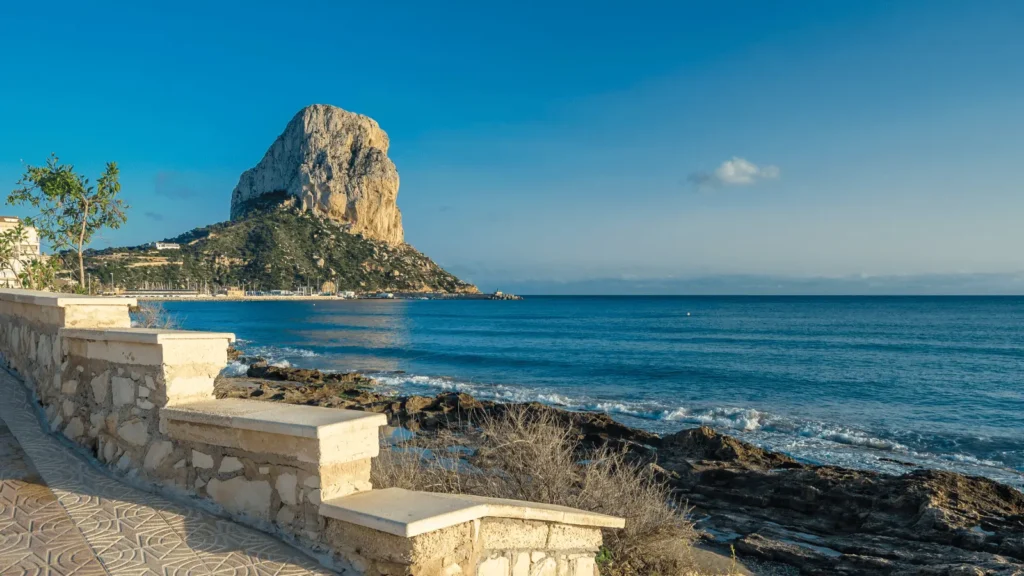
Peñón de Ifach and Calpe coastline under clear blue skies on the Costa Blanca, Spain

Below, I have set it out month by month, with a table and some straight advice on when to come depending on what you are after.

The Calpe weather, month by month

MonthHigh °CLow °CRainfall
January16730 to 40mm
February16825 to 35mm
March18935 to 50mm
April201135 to 50mm
May231325 to 35mm
June26178 to 15mm
July29203 to 8mm
August302110 to 20mm
September271970 to 80mm
October231555 to 75mm
November191145 to 60mm
December16835 to 50mm

Calpe gets roughly 2,800 to 3,000 hours of sunshine a year. Rainfall figures vary depending on the source and period measured, but a sensible working range is around 450 to 560mm a year. That is still low compared with much of northern Europe.

April can be unsettled, but the main wet period is usually autumn, with rain often arriving in short, heavy bursts rather than as steady rain across the year. The sea is warm enough for swimming from late spring into autumn, reaching around 25 to 26°C in August.

Winter, December to February

Winter here catches people out. Come from northern Europe and you will find yourself in a T-shirt by midday more often than you would believe, with a light jacket doing the job through the day and an extra layer once the sun drops.

The town slows down and goes back to being itself. It is a great time to walk the Peñón de Ifach trail, wander Calpe old town, or take the seafront at a gentler pace. If you are weighing up Calpe as a year-round place to live, this is the season to visit, because it shows you what daily life feels like once the holidaymakers have gone home.

Spring, March to May
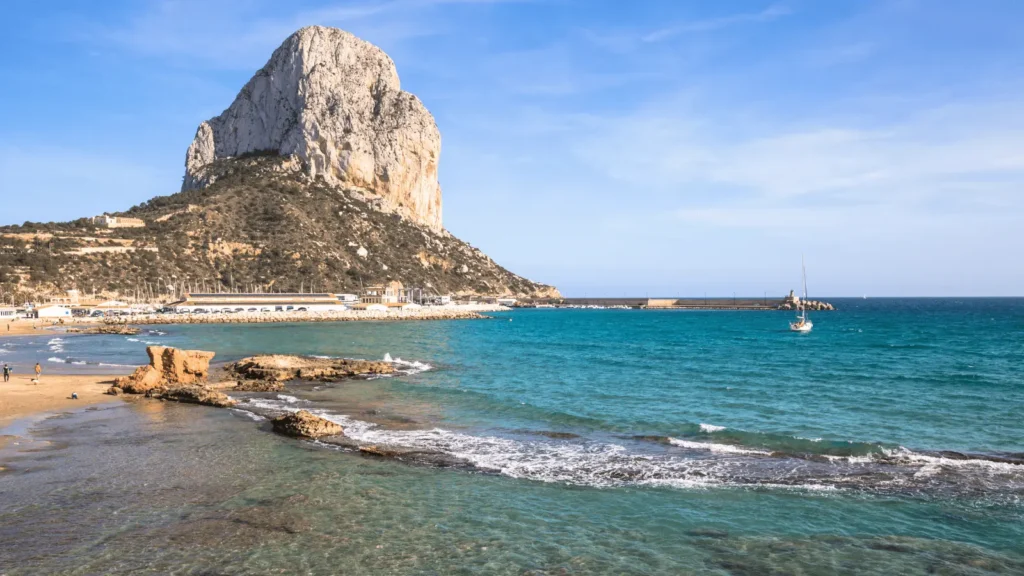
Peñón de Ifach overlooking Calpe beach and turquoise Mediterranean Sea on the Costa Blanca

Spring is when Calpe starts to warm up again. The days lengthen, the surrounding hills look greener, and by the end of May the evenings are usually warm enough to eat outside without thinking much about it.

The sea takes its time to catch up, reaching about 18 to 20°C by late May, swimmable if you do not mind a sharp breath going in. Plenty of locals will tell you this is the best stretch of the year: lively enough to feel alive, easy enough to enjoy, and cool enough that walking, cycling and boat trips are a pleasure before the real heat arrives.

Summer, June to August

Summer is the Calpe most people picture: clear skies day after day, the sea at its warmest, and long evenings of dinners, boat trips and fiestas that run late into the night.

The peak is late July and the whole of August, when the restaurants and beaches in Calpe are full and the town is at its liveliest. A few things make it easier: get to the beach early if you want a decent spot, book a table ahead in August, and save the walking for the morning or the cooler end of the afternoon. The sea breeze can make the heat feel easier than it does inland, but August afternoons are still hot and the nights can feel humid. Midday in August is for the shade or the water, not the Peñón trail.

Autumn, September to November

Autumn is underrated, September most of all. The water is often at its warmest of the whole year, the sun is still generous, and the summer crush starts to let go.

From September into October the season turns. The evenings cool, and this is gota fría country, so the wettest weeks of the year tend to land across these two months, in short dramatic bursts rather than all-day grey. Between the downpours the days stay bright. By November the town has emptied out again and daily life starts to look like the version residents know through the cooler months.

The sea, and how long you can swim

The water runs from about 14°C in the depths of winter to around 26°C in August. Most people swim comfortably from June through October, with August and September the warmest months and the sea staying warm well into autumn.

Even October often holds around 22 to 23°C, which is why you will still see people in the water well into autumn. La Fossa and Arenal-Bol are gentle on most days, and lifeguards are usually on duty from late spring through to early autumn.

When should you come?

For swimming and beach days, June through September is the safest choice.

For walking, cycling and exploring, March to May or October into November are better. You get bright days without the full summer heat, and the town is easier to move around.

For a slower trip, November to February can be a pleasant surprise. Calpe is still bright and mild, but firmly off-season.

If you are thinking of living in Calpe, we recommend you come in at least two different seasons before you decide. August Calpe and January Calpe are not the same place, and the people who are happiest are the ones who take to both.

What the climate means if you are buying

The weather is one of the big reasons people choose Calpe, and it changes how you use a home once you own it. Terraces and gardens become part of daily life for much of the year. A pool gets proper use from June through October, not just the short summer window many buyers are used to back home. Mild winters also mean Calpe works as a year-round place to live, not just somewhere to open up for summer.

If you are looking at Calpe with buying in mind, our area guides cover every part of town, and you can browse our latest properties for sale in Calpe to see what is out there.

FAQs about Calpe weather

What is the average temperature in Calpe?

Daytime highs run from around 16°C in January to 30°C in August. Evenings drop to between 7 and 10°C in winter and around 20 to 24°C in summer.

When is the best time to visit Calpe?

For beach holidays, June to September. For walking and exploring, March to May or October to November. For a quieter trip with mild weather, the winter months are a pleasant surprise.

How warm is the sea in Calpe?

The sea runs from about 14°C in winter to around 26°C in August. Comfortable swimming usually runs from June through October, with August and September the warmest months.

Does it rain much in Calpe?

Not compared with northern Europe. Rainfall is usually around 450 to 560mm a year, depending on the source and period measured, with most of it arriving in autumn. Summers are very dry.

Is Calpe warm in winter?

Yes. Daytime temperatures usually run around 15 to 17°C from December to February, with plenty of bright days. Evenings are cooler, so you still need a jacket once the sun drops.

Can you swim in Calpe in October?

Plenty of people do. The sea is often still around 22 to 23°C, and daytime temperatures are usually comfortable, especially in the first half of the month.

Sina
Written by

Sina

Founder of Solinea Real Estate, based in Calpe. Sina helps buyers and sellers across the Costa Blanca North with honest, local guidance.
Stay informed

Join the Calpe buyer list

New listings and local market updates for Calpe and the Costa Blanca North. Occasional emails only.

No spam, and you can unsubscribe any time.

Calpe Weather by Month: What to Expect Through the Year

Calpe’s climate is one of the reasons people keep coming back. Winters are mild, spring arrives early, and by May you can eat outside in the evenings without thinking much about it. In midsummer, the days stretch long, the beaches stay busy, and the sun is still around well past nine.

What you get here is a proper Mediterranean climate: warm summers, mild winters, plenty of sunshine, and most of the rain arriving in short bursts rather than long grey spells. The Peñón, the sea and the mountains behind the town all shape the way the weather feels locally.

Peñón de Ifach and Calpe coastline under clear blue skies on the Costa Blanca, Spain

Below, I have set it out month by month, with a table and some straight advice on when to come depending on what you are after.

The Calpe weather, month by month

MonthHigh °CLow °CRainfall
January16730 to 40mm
February16825 to 35mm
March18935 to 50mm
April201135 to 50mm
May231325 to 35mm
June26178 to 15mm
July29203 to 8mm
August302110 to 20mm
September271970 to 80mm
October231555 to 75mm
November191145 to 60mm
December16835 to 50mm

Calpe gets roughly 2,800 to 3,000 hours of sunshine a year. Rainfall figures vary depending on the source and period measured, but a sensible working range is around 450 to 560mm a year. That is still low compared with much of northern Europe.

April can be unsettled, but the main wet period is usually autumn, with rain often arriving in short, heavy bursts rather than as steady rain across the year. The sea is warm enough for swimming from late spring into autumn, reaching around 25 to 26°C in August.

Winter, December to February

Winter here catches people out. Come from northern Europe and you will find yourself in a T-shirt by midday more often than you would believe, with a light jacket doing the job through the day and an extra layer once the sun drops.

The town slows down and goes back to being itself. It is a great time to walk the Peñón de Ifach trail, wander Calpe old town, or take the seafront at a gentler pace. If you are weighing up Calpe as a year-round place to live, this is the season to visit, because it shows you what daily life feels like once the holidaymakers have gone home.

Spring, March to May

Peñón de Ifach overlooking Calpe beach and turquoise Mediterranean Sea on the Costa Blanca

Spring is when Calpe starts to warm up again. The days lengthen, the surrounding hills look greener, and by the end of May the evenings are usually warm enough to eat outside without thinking much about it.

The sea takes its time to catch up, reaching about 18 to 20°C by late May, swimmable if you do not mind a sharp breath going in. Plenty of locals will tell you this is the best stretch of the year: lively enough to feel alive, easy enough to enjoy, and cool enough that walking, cycling and boat trips are a pleasure before the real heat arrives.

Summer, June to August

Summer is the Calpe most people picture: clear skies day after day, the sea at its warmest, and long evenings of dinners, boat trips and fiestas that run late into the night.

The peak is late July and the whole of August, when the restaurants and beaches in Calpe are full and the town is at its liveliest. A few things make it easier: get to the beach early if you want a decent spot, book a table ahead in August, and save the walking for the morning or the cooler end of the afternoon. The sea breeze can make the heat feel easier than it does inland, but August afternoons are still hot and the nights can feel humid. Midday in August is for the shade or the water, not the Peñón trail.

Autumn, September to November

Autumn is underrated, September most of all. The water is often at its warmest of the whole year, the sun is still generous, and the summer crush starts to let go.

From September into October the season turns. The evenings cool, and this is gota fría country, so the wettest weeks of the year tend to land across these two months, in short dramatic bursts rather than all-day grey. Between the downpours the days stay bright. By November the town has emptied out again and daily life starts to look like the version residents know through the cooler months.

The sea, and how long you can swim

The water runs from about 14°C in the depths of winter to around 26°C in August. Most people swim comfortably from June through October, with August and September the warmest months and the sea staying warm well into autumn.

Even October often holds around 22 to 23°C, which is why you will still see people in the water well into autumn. La Fossa and Arenal-Bol are gentle on most days, and lifeguards are usually on duty from late spring through to early autumn.

When should you come?

For swimming and beach days, June through September is the safest choice.

For walking, cycling and exploring, March to May or October into November are better. You get bright days without the full summer heat, and the town is easier to move around.

For a slower trip, November to February can be a pleasant surprise. Calpe is still bright and mild, but firmly off-season.

If you are thinking of living in Calpe, we recommend you come in at least two different seasons before you decide. August Calpe and January Calpe are not the same place, and the people who are happiest are the ones who take to both.

What the climate means if you are buying

The weather is one of the big reasons people choose Calpe, and it changes how you use a home once you own it. Terraces and gardens become part of daily life for much of the year. A pool gets proper use from June through October, not just the short summer window many buyers are used to back home. Mild winters also mean Calpe works as a year-round place to live, not just somewhere to open up for summer.

If you are looking at Calpe with buying in mind, our area guides cover every part of town, and you can browse our latest properties for sale in Calpe to see what is out there.

FAQs about Calpe weather

What is the average temperature in Calpe?

Daytime highs run from around 16°C in January to 30°C in August. Evenings drop to between 7 and 10°C in winter and around 20 to 24°C in summer.

When is the best time to visit Calpe?

For beach holidays, June to September. For walking and exploring, March to May or October to November. For a quieter trip with mild weather, the winter months are a pleasant surprise.

How warm is the sea in Calpe?

The sea runs from about 14°C in winter to around 26°C in August. Comfortable swimming usually runs from June through October, with August and September the warmest months.

Does it rain much in Calpe?

Not compared with northern Europe. Rainfall is usually around 450 to 560mm a year, depending on the source and period measured, with most of it arriving in autumn. Summers are very dry.

Is Calpe warm in winter?

Yes. Daytime temperatures usually run around 15 to 17°C from December to February, with plenty of bright days. Evenings are cooler, so you still need a jacket once the sun drops.

Can you swim in Calpe in October?

Plenty of people do. The sea is often still around 22 to 23°C, and daytime temperatures are usually comfortable, especially in the first half of the month.