Home / Resources / Is It a Good Time to Buy Property in Calpe? 2026 Guide
buyers

Is It a Good Time to Buy Property in Calpe? 2026 Guide

Sina By Sina 19 June 2026 12 min read
Is It a Good Time to Buy Property in Calpe? 2026 Guide

For many buyers, 2026 is a sensible time to look seriously at Calpe.

Prices remain firm, demand is healthy, and recent tax changes in the Valencia region have reduced purchase costs slightly for many buyers. But the answer is not simply “yes, buy now.” Timing only matters if the property, location, running costs, and long-term plan all make sense.

We get asked this question constantly. It usually comes from buyers who have visited Calpe once or twice, liked what they saw, and are now trying to work out whether the timing is right.

They do not want a sales pitch. They want someone local to explain what is actually happening in the market.
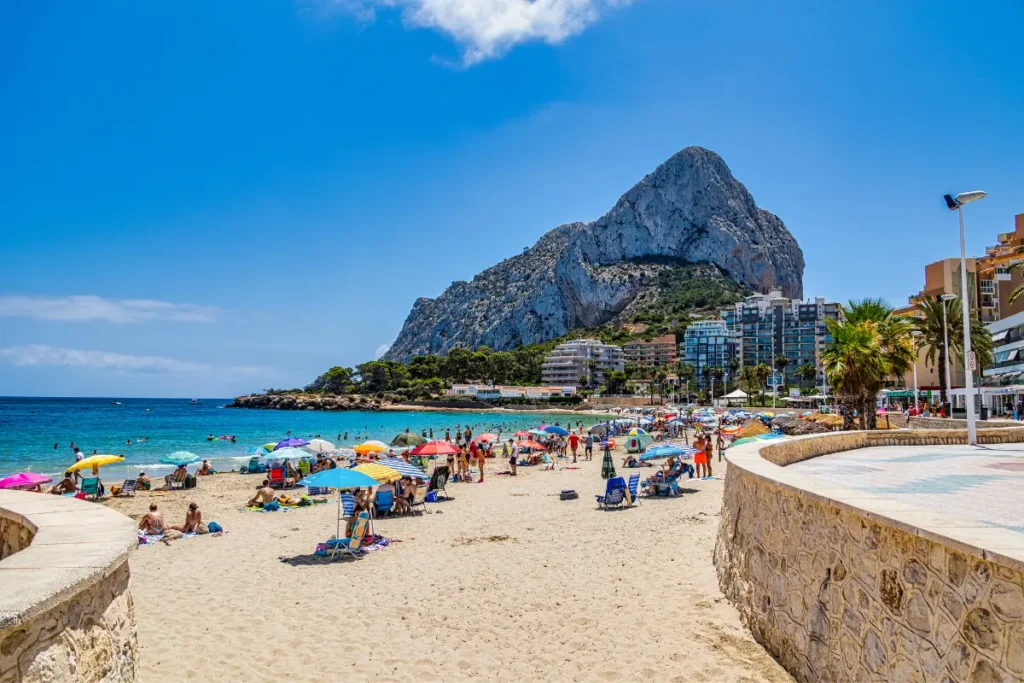
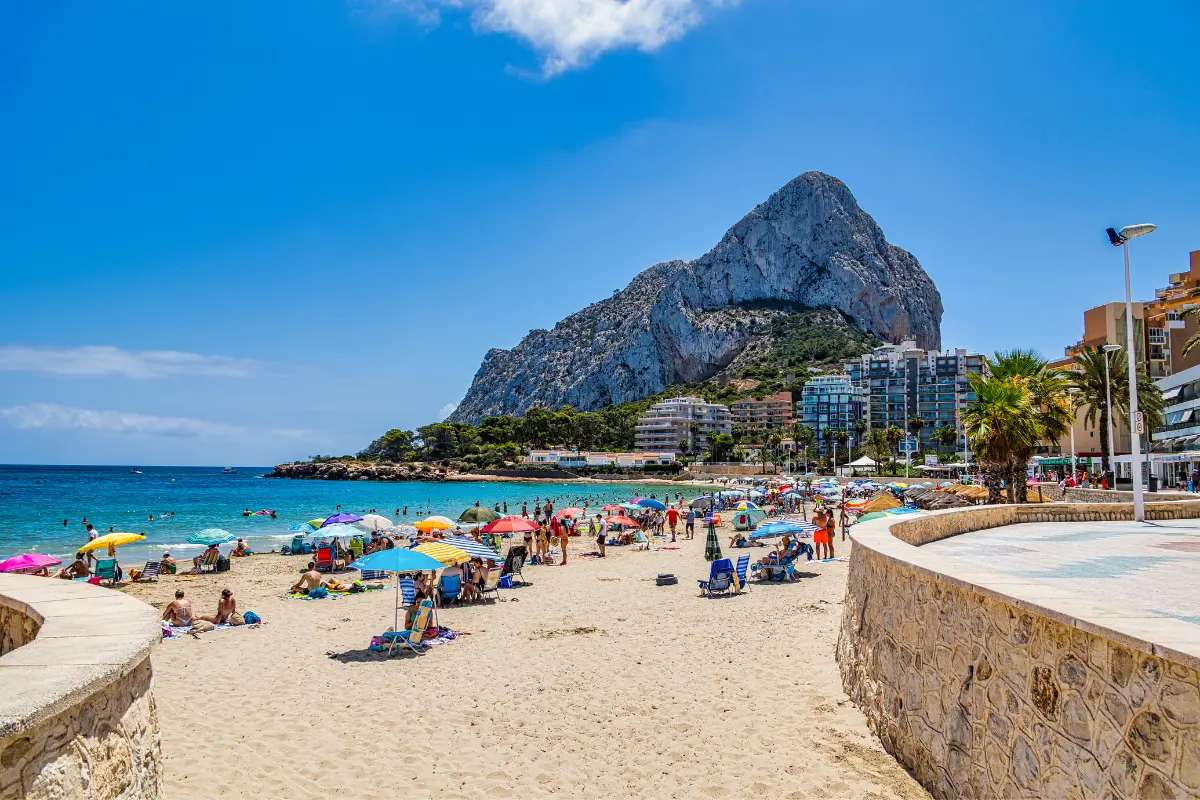
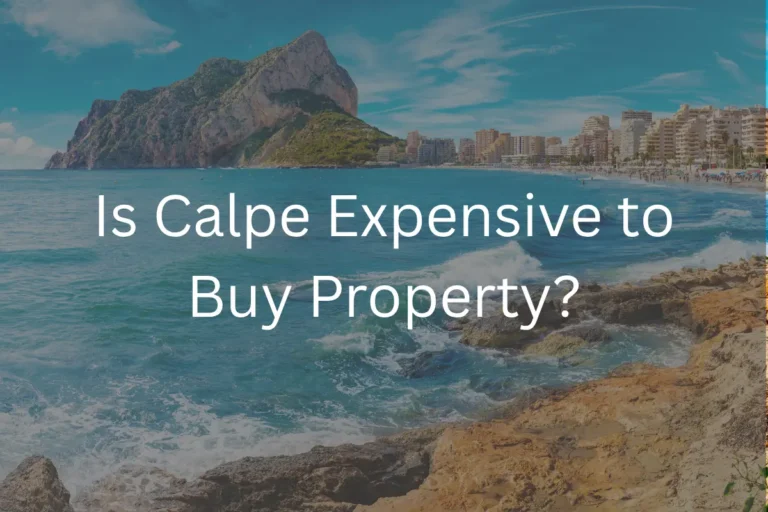
Calpe beach with the Peñón de Ifach, apartments and Mediterranean coastline for a guide on buying property in Calpe

Calpe property prices in 2026

Calpe has not seen the kind of price drop some buyers were waiting for. Good homes in strong locations remain firm, especially properties with sea views, outdoor space, close to the beach, or views towards the Peñón de Ifach.

Prices in Calpe have continued to rise, but usually at a steadier pace than in higher-priced areas such as Javea or Moraira. Sea-view apartments, well-positioned villas, and homes close to Arenal-Bol, La Fossa, or the Peñón tend to hold their value particularly well.

What makes Calpe interesting is where it sits in the wider Costa Blanca North market. Equivalent properties in Javea are often noticeably more expensive, while areas further south can be cheaper but may not offer the same mix of year-round services, coastal scenery, and international buyer demand.

Calpe sits in the middle. You get supermarkets, medical centres, restaurants open outside the main season, beaches, marina access, schools, transport links, and a large international community. For many buyers, that combination matters more than finding the lowest price per square metre.
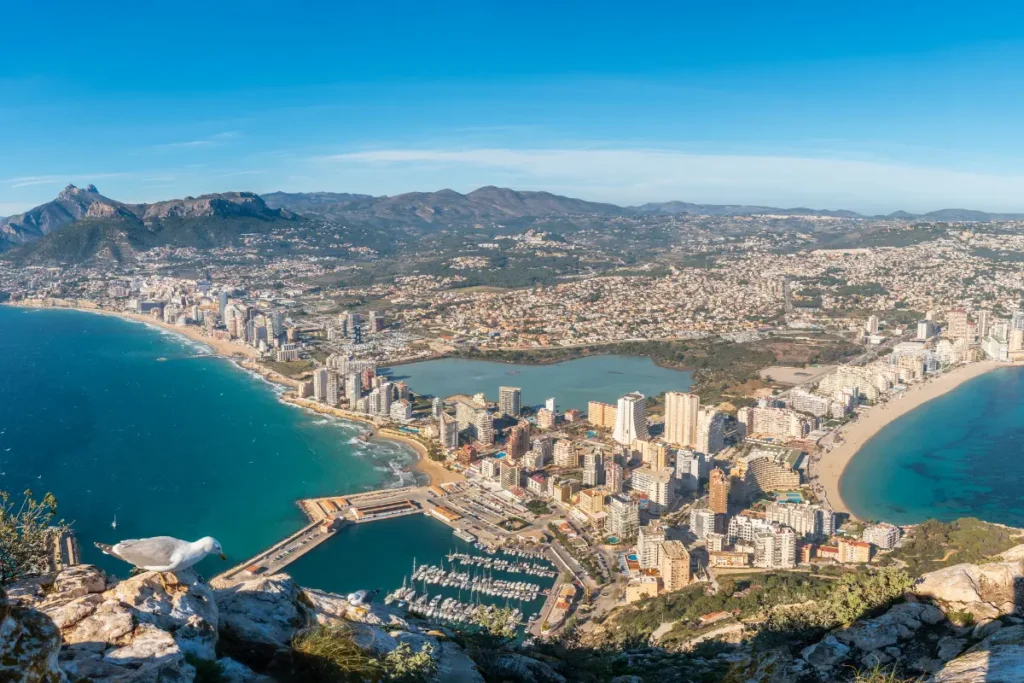
Aerial view of Calpe from the Peñón de Ifach showing the marina, beaches, apartments and coastline for a property market article

There is still a reasonable level of choice across the main property portals and local agency networks, although the best homes in the best positions do not sit around forever. Buyers can usually take time to compare properties, understand different areas, and avoid rushed decisions. That is one of the reasons Calpe remains a sensible market for people buying from abroad.

The buyer profile also helps keep the market stable. Many foreign purchasers in Calpe are Dutch, Belgian, German, Scandinavian, British, or other European buyers looking for lifestyle homes, retirement homes, second residences, or long-stay properties. This is different from a market driven mainly by short-term speculation.

You may have seen headlines about Spain ending the Golden Visa in April 2025. In Calpe, the effect has been limited. Visa-driven buyers were never the main force in this market. Most people buying here are buying because they want to use the property, spend real time in the area, or eventually live here.

The same applies to the proposed surcharge on some non-EU, non-resident purchases. It has created headlines, but it is not currently in force. For now, the core Calpe market continues to be driven by lifestyle, location, and long-term use.

What your budget buys in Calpe right now
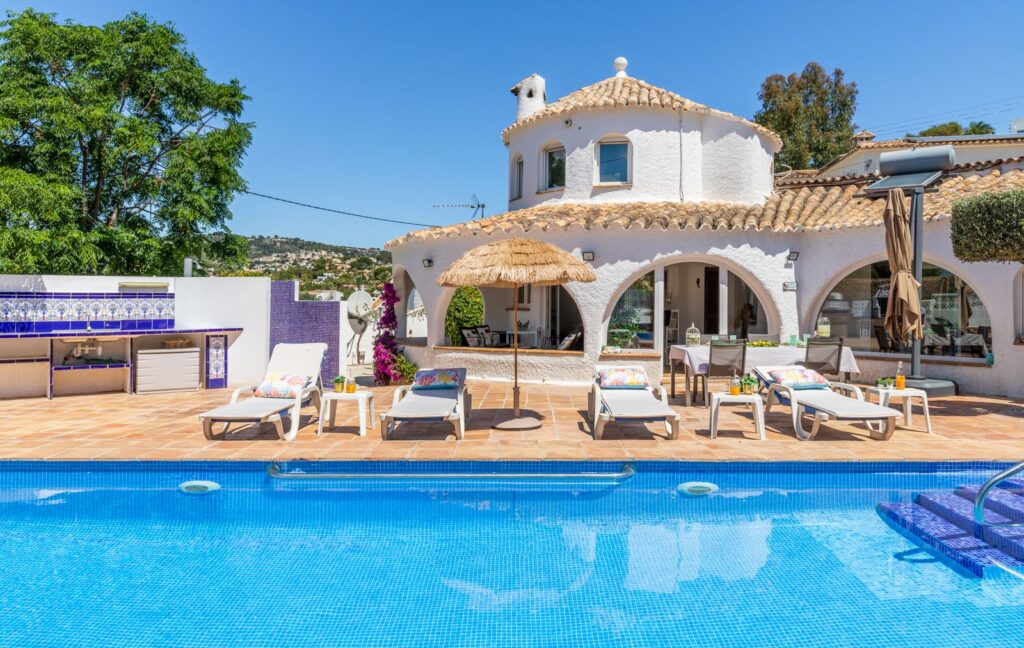
Villa for Sale in Benissa Ref 2629V-E

€250,000 to €400,000 is where many Calpe buyers start looking seriously.

At the lower end, you are usually looking at two-bedroom apartments in the town centre or near Arenal-Bol, often resale units from the early 2000s with communal pools and basic terraces. Some will be ready to move into. Others may need a new kitchen, better windows, or updated air conditioning.

As you move towards €350,000 to €400,000, the quality starts to shift. You begin seeing more modern two-bedroom apartments in newer buildings, with better insulation, larger terraces, and communal areas that are properly maintained.

Our Exclusive penthouse at Arenal-Bol, SRE-111 at €399,999 gives a useful reference point: two bedrooms, two bathrooms, seventh floor of a 2019 building, communal pool, partial sea views, and a two-minute walk to the beach. You also begin seeing well-renovated apartments in beachfront positions and townhouses with communal outdoor space.
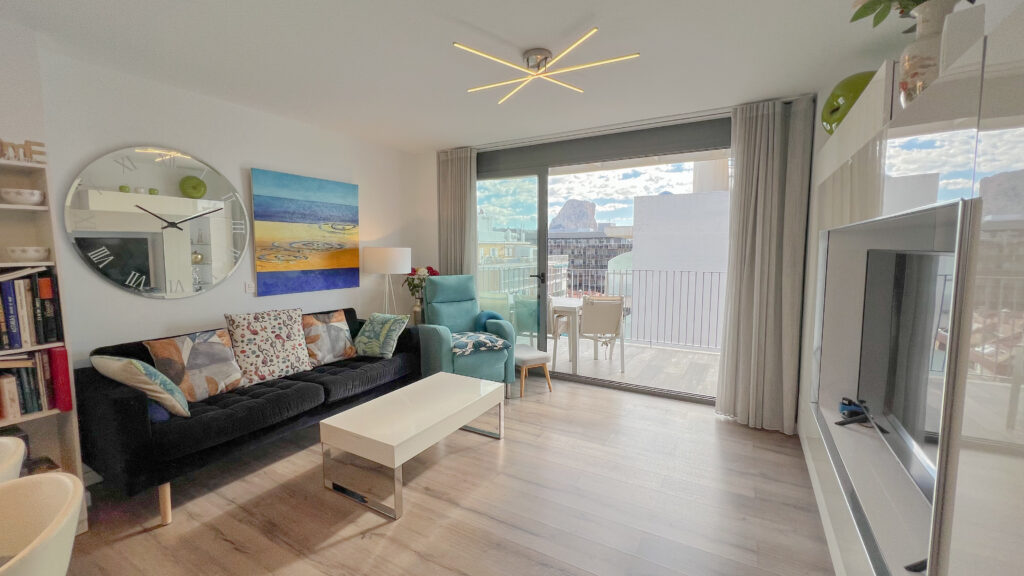
Living room with terrace access in IseaCalpe penthouse, Calpe

From around €500,000 to €700,000, buyers can start looking seriously at villas with private pools, as well as larger townhouses and modern penthouses with open views.

At the lower end of this range, Calpe villas are usually more varied. Some are well-kept and ready to use, while others may need updating or sit further from the beach and town centre. As you move closer to €700,000, you usually start seeing stronger views, better outdoor space, larger plots, and homes that need less immediate work.

The key question at this level is not just whether the property has a private pool. It is whether the location, layout, condition, running costs, and future resale appeal all make sense together.

Above €700,000, the villa market becomes stronger rather than simply starting. Private pools are already possible below this point, but this is where buyers usually see better plots, larger homes, stronger coastal views, and more comfortable outdoor living areas.

Push past €1,000,000 and the specification changes again: architect-designed homes, stronger materials, guest accommodation, larger plots, and more privacy. This is also where scarcity starts to matter. A villa with unobstructed sea views and a south-facing pool terrace in a quiet street does not come up every month.

The 2026 tax change helps buyers

Buyers reviewing mortgage, tax and purchase costs before buying property in Calpe

Timing questions deserve a practical answer, and one of the clearest changes in 2026 is tax.

From 1 June 2026, the Valencian government reduced the general transfer tax on resale property purchases from 10 percent to 9 percent. Stamp duty on new-build purchases also dropped from 1.5 percent to 1.4 percent.

For buyers, the saving is simple.

On a €400,000 resale apartment, the ITP reduction means around €4,000 less in tax. On a €900,000 villa, it means around €9,000 less. Properties above €1,000,000 still carry the higher 11 percent rate, so the saving does not apply in the same way at the top end.

The reform applies across the Valencia region and depends on the notary signing date. If the purchase completes from June 2026 onward, the reduced rate applies automatically where the property qualifies.

It does not change the whole buying decision, but it does improve the numbers. For buyers who were already planning to purchase a property in Calpe, it is a welcome change.

Mortgage conditions are still workable

Close-up of a euro banknote representing property taxes and buying costs for buyers in Calpe, Spain

Spanish banks are still lending to international buyers, including non-residents.

For non-resident buyers, banks commonly lend up to around 60 to 70 percent of the purchase price, depending on nationality, income, currency, debt position, and the bank’s own criteria. Rates vary, but many buyers are seeing offers in the low 3 percent to mid 4 percent range rather than the much higher levels seen during the peak rate period.

That does not mean every buyer will get the same terms. A buyer with strong income, low debt, clean documentation, and income in euros may receive a very different offer from a buyer with more complex finances or income in another currency.

The best approach is to speak with a mortgage broker or Spanish bank before viewing seriously. That gives you a clear price range, avoids wasted viewings, and makes any offer stronger if you find the right property.

What about the proposed 100 percent foreign buyer tax?

This is one of the questions we hear most often from British and other non-EU buyers.

The proposed 100 percent surcharge on property purchases by non-EU, non-resident buyers is not currently in force. It has been discussed politically, but it has not passed through Congress, has not become law, and faces serious legal and practical obstacles before anything could be applied.

Even if a future version were approved, the proposal was aimed at non-EU nationals who are also non-residents buying resale property. EU citizens, Spanish residents of any nationality, and new-build buyers were not the focus of the proposal as presented.

For most Calpe buyers, this is something to be aware of, not something to panic about. It has created headlines, especially among British buyers, but it has not stopped foreign buyers from purchasing property in Spain.

Three mistakes buyers still make in Calpe

The market conditions are favourable. The tax position has improved. Mortgage lending is still available.

But none of that protects you from a poor purchase.

In Calpe, the difference between a strong purchase and a property that causes problems later often comes down to details buyers miss during the first viewing.

1. Ignoring community fees until it is too late

Community fees can change the real cost of an apartment quickly.

In Calpe, many apartment buildings and complexes charge more than €100 per month, especially when there are lifts, pools, gardens, or shared maintenance areas. The fee itself is not always a problem, but buyers need to understand what is included and whether the building has any major works planned.

This matters because a property that looks affordable on paper can feel very different once monthly fees, maintenance, and possible future contributions are added.

Before making an offer, ask for the current community fees and whether any major works are expected, such as lift repairs, façade work, pool upgrades, or improvements to communal areas.

2. Treating all “modern” properties as the same
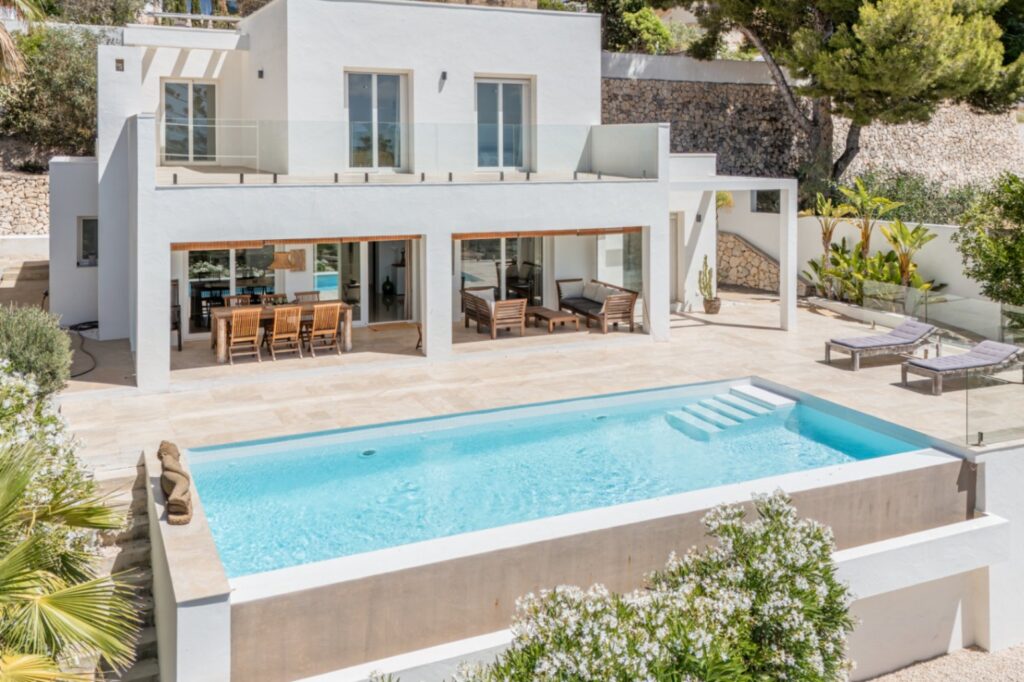
Villa for Sale in Moraira Ref 2647V-E

A 2005 apartment and a 2019 apartment can look similar in photos but feel very different once you live there.

Spain tightened its building energy code from 2006 onward, with further changes in later years. Newer properties are often better insulated, more efficient to heat and cool, and more comfortable across the year.

Older homes can still be excellent purchases, especially if they are in strong locations or have been updated properly. But buyers need to know what they are buying. Windows, insulation, air conditioning, damp, orientation, ventilation, and energy ratings all matter.

The A-to-G energy certificate is not just paperwork. It gives you a clue about future running costs and comfort.

3. Trusting the photos more than the location

A listing can make almost any property look attractive.

A drone shot can make a terrace look closer to the sea than it is. Wide-angle photos can make rooms feel larger. A sunset image can hide a north-facing terrace that gets little winter sun. A cropped view can avoid showing a busy road, nearby building work, or a difficult uphill walk.

This is why local guidance matters.

Before buying in Calpe, walk the area. Visit at different times of day. Check the route to the beach, supermarket, restaurants, and medical services. Listen for road noise. Look at neighbouring plots.

The right street can protect value. The wrong one can make resale harder later.

So, is now a good time to buy in Calpe?

For the right buyer, yes.

Calpe remains a strong year-round market with healthy demand and a good range of property types. Prices have stayed firm, the area continues to attract serious international buyers, and the 2026 tax reduction has improved purchase costs slightly for many resale buyers.

But that does not mean every property is a good purchase.

The best opportunities are still found in the details: orientation, building condition, community fees, views, outdoor space, noise, energy performance, walking distance, and future resale appeal.

If you are buying for lifestyle, long-term use, retirement, or a second home you will genuinely enjoy, Calpe makes a lot of sense.

So the question is not just whether now is a good time to buy in Calpe.

It is whether the property in front of you is the right one.

Talk to Sina

If you are considering buying in Calpe, Altea, Benissa, or Moraira, Sina can help you understand what is realistic at your budget and which areas are worth your time.

Ready to talk about Calpe?

Sina handles every enquiry personally. Choose how you would like to get in touch.

Frequently Asked Questions

Are Calpe property prices still rising?

Yes. Calpe property prices remain firm, especially for well-positioned homes with sea views, good outdoor space, close to the beach, or views towards the Peñón de Ifach. Prices vary by property type, condition, and location, but the local market has not seen the kind of price drop some buyers were waiting for.

Can non-EU buyers still purchase property in Spain?

Yes. Foreign buyers of any nationality can still buy and own property in Spain. The Golden Visa programme ended in April 2025, so property purchases no longer grant that specific residency route for non-EU nationals, but the right to buy property remains unchanged.

Is the 100 percent foreign buyer tax in effect?

No. The proposed surcharge on some non-EU, non-resident buyers is not currently in force. It has been discussed politically, but it has not become law. Buyers should still check their own situation with a lawyer before purchasing.

How much should I budget on top of the purchase price?

For a resale property in the Valencia region, many buyers should budget around 10.5 percent on top of the purchase price. This usually includes 9 percent transfer tax plus notary, land registry, and legal fees.

For a new-build property bought directly from a developer, the total is usually closer to 12.5 percent. This includes 10 percent VAT, 1.4 percent stamp duty, plus notary, registry, and legal costs.

Is Calpe better for apartments or villas?

Calpe works well for both, but the right choice depends on how you plan to use the property. Apartments near Arenal-Bol, La Fossa, or the town centre are often easier to manage and can suit buyers who want walkable access. Villas offer more privacy, outdoor space, and views, but usually come with higher maintenance and more responsibility.

What should I check before making an offer?

Check the community fees, building condition, energy rating, orientation, road noise, walking distances, legal paperwork, and whether any major works are planned. For villas, also check pool condition, retaining walls, drainage, access, and plot boundaries.

Sina
Written by

Sina

Founder of Solinea Real Estate, based in Calpe. Sina helps buyers and sellers across the Costa Blanca North with honest, local guidance.
Stay informed

Join the Calpe buyer list

New listings and local market updates for Calpe and the Costa Blanca North. Occasional emails only.

No spam, and you can unsubscribe any time.

Is It a Good Time to Buy Property in Calpe? 2026 Guide

For many buyers, 2026 is a sensible time to look seriously at Calpe.

Prices remain firm, demand is healthy, and recent tax changes in the Valencia region have reduced purchase costs slightly for many buyers. But the answer is not simply “yes, buy now.” Timing only matters if the property, location, running costs, and long-term plan all make sense.

We get asked this question constantly. It usually comes from buyers who have visited Calpe once or twice, liked what they saw, and are now trying to work out whether the timing is right.

They do not want a sales pitch. They want someone local to explain what is actually happening in the market.

Calpe beach with the Peñón de Ifach, apartments and Mediterranean coastline for a guide on buying property in Calpe

Calpe property prices in 2026

Calpe has not seen the kind of price drop some buyers were waiting for. Good homes in strong locations remain firm, especially properties with sea views, outdoor space, close to the beach, or views towards the Peñón de Ifach.

Prices in Calpe have continued to rise, but usually at a steadier pace than in higher-priced areas such as Javea or Moraira. Sea-view apartments, well-positioned villas, and homes close to Arenal-Bol, La Fossa, or the Peñón tend to hold their value particularly well.

What makes Calpe interesting is where it sits in the wider Costa Blanca North market. Equivalent properties in Javea are often noticeably more expensive, while areas further south can be cheaper but may not offer the same mix of year-round services, coastal scenery, and international buyer demand.

Calpe sits in the middle. You get supermarkets, medical centres, restaurants open outside the main season, beaches, marina access, schools, transport links, and a large international community. For many buyers, that combination matters more than finding the lowest price per square metre.

Aerial view of Calpe from the Peñón de Ifach showing the marina, beaches, apartments and coastline for a property market article

There is still a reasonable level of choice across the main property portals and local agency networks, although the best homes in the best positions do not sit around forever. Buyers can usually take time to compare properties, understand different areas, and avoid rushed decisions. That is one of the reasons Calpe remains a sensible market for people buying from abroad.

The buyer profile also helps keep the market stable. Many foreign purchasers in Calpe are Dutch, Belgian, German, Scandinavian, British, or other European buyers looking for lifestyle homes, retirement homes, second residences, or long-stay properties. This is different from a market driven mainly by short-term speculation.

You may have seen headlines about Spain ending the Golden Visa in April 2025. In Calpe, the effect has been limited. Visa-driven buyers were never the main force in this market. Most people buying here are buying because they want to use the property, spend real time in the area, or eventually live here.

The same applies to the proposed surcharge on some non-EU, non-resident purchases. It has created headlines, but it is not currently in force. For now, the core Calpe market continues to be driven by lifestyle, location, and long-term use.

What your budget buys in Calpe right now

Villa for Sale in Benissa Ref 2629V-E

€250,000 to €400,000 is where many Calpe buyers start looking seriously.

At the lower end, you are usually looking at two-bedroom apartments in the town centre or near Arenal-Bol, often resale units from the early 2000s with communal pools and basic terraces. Some will be ready to move into. Others may need a new kitchen, better windows, or updated air conditioning.

As you move towards €350,000 to €400,000, the quality starts to shift. You begin seeing more modern two-bedroom apartments in newer buildings, with better insulation, larger terraces, and communal areas that are properly maintained.

Our Exclusive penthouse at Arenal-Bol, SRE-111 at €399,999 gives a useful reference point: two bedrooms, two bathrooms, seventh floor of a 2019 building, communal pool, partial sea views, and a two-minute walk to the beach. You also begin seeing well-renovated apartments in beachfront positions and townhouses with communal outdoor space.

Living room with terrace access in IseaCalpe penthouse, Calpe

From around €500,000 to €700,000, buyers can start looking seriously at villas with private pools, as well as larger townhouses and modern penthouses with open views.

At the lower end of this range, Calpe villas are usually more varied. Some are well-kept and ready to use, while others may need updating or sit further from the beach and town centre. As you move closer to €700,000, you usually start seeing stronger views, better outdoor space, larger plots, and homes that need less immediate work.

The key question at this level is not just whether the property has a private pool. It is whether the location, layout, condition, running costs, and future resale appeal all make sense together.

Above €700,000, the villa market becomes stronger rather than simply starting. Private pools are already possible below this point, but this is where buyers usually see better plots, larger homes, stronger coastal views, and more comfortable outdoor living areas.

Push past €1,000,000 and the specification changes again: architect-designed homes, stronger materials, guest accommodation, larger plots, and more privacy. This is also where scarcity starts to matter. A villa with unobstructed sea views and a south-facing pool terrace in a quiet street does not come up every month.

The 2026 tax change helps buyers

Buyers reviewing mortgage, tax and purchase costs before buying property in Calpe

Timing questions deserve a practical answer, and one of the clearest changes in 2026 is tax.

From 1 June 2026, the Valencian government reduced the general transfer tax on resale property purchases from 10 percent to 9 percent. Stamp duty on new-build purchases also dropped from 1.5 percent to 1.4 percent.

For buyers, the saving is simple.

On a €400,000 resale apartment, the ITP reduction means around €4,000 less in tax. On a €900,000 villa, it means around €9,000 less. Properties above €1,000,000 still carry the higher 11 percent rate, so the saving does not apply in the same way at the top end.

The reform applies across the Valencia region and depends on the notary signing date. If the purchase completes from June 2026 onward, the reduced rate applies automatically where the property qualifies.

It does not change the whole buying decision, but it does improve the numbers. For buyers who were already planning to purchase a property in Calpe, it is a welcome change.

Mortgage conditions are still workable

Close-up of a euro banknote representing property taxes and buying costs for buyers in Calpe, Spain

Spanish banks are still lending to international buyers, including non-residents.

For non-resident buyers, banks commonly lend up to around 60 to 70 percent of the purchase price, depending on nationality, income, currency, debt position, and the bank’s own criteria. Rates vary, but many buyers are seeing offers in the low 3 percent to mid 4 percent range rather than the much higher levels seen during the peak rate period.

That does not mean every buyer will get the same terms. A buyer with strong income, low debt, clean documentation, and income in euros may receive a very different offer from a buyer with more complex finances or income in another currency.

The best approach is to speak with a mortgage broker or Spanish bank before viewing seriously. That gives you a clear price range, avoids wasted viewings, and makes any offer stronger if you find the right property.

What about the proposed 100 percent foreign buyer tax?

This is one of the questions we hear most often from British and other non-EU buyers.

The proposed 100 percent surcharge on property purchases by non-EU, non-resident buyers is not currently in force. It has been discussed politically, but it has not passed through Congress, has not become law, and faces serious legal and practical obstacles before anything could be applied.

Even if a future version were approved, the proposal was aimed at non-EU nationals who are also non-residents buying resale property. EU citizens, Spanish residents of any nationality, and new-build buyers were not the focus of the proposal as presented.

For most Calpe buyers, this is something to be aware of, not something to panic about. It has created headlines, especially among British buyers, but it has not stopped foreign buyers from purchasing property in Spain.

Three mistakes buyers still make in Calpe

The market conditions are favourable. The tax position has improved. Mortgage lending is still available.

But none of that protects you from a poor purchase.

In Calpe, the difference between a strong purchase and a property that causes problems later often comes down to details buyers miss during the first viewing.

1. Ignoring community fees until it is too late

Community fees can change the real cost of an apartment quickly.

In Calpe, many apartment buildings and complexes charge more than €100 per month, especially when there are lifts, pools, gardens, or shared maintenance areas. The fee itself is not always a problem, but buyers need to understand what is included and whether the building has any major works planned.

This matters because a property that looks affordable on paper can feel very different once monthly fees, maintenance, and possible future contributions are added.

Before making an offer, ask for the current community fees and whether any major works are expected, such as lift repairs, façade work, pool upgrades, or improvements to communal areas.

2. Treating all “modern” properties as the same

Villa for Sale in Moraira Ref 2647V-E

A 2005 apartment and a 2019 apartment can look similar in photos but feel very different once you live there.

Spain tightened its building energy code from 2006 onward, with further changes in later years. Newer properties are often better insulated, more efficient to heat and cool, and more comfortable across the year.

Older homes can still be excellent purchases, especially if they are in strong locations or have been updated properly. But buyers need to know what they are buying. Windows, insulation, air conditioning, damp, orientation, ventilation, and energy ratings all matter.

The A-to-G energy certificate is not just paperwork. It gives you a clue about future running costs and comfort.

3. Trusting the photos more than the location

A listing can make almost any property look attractive.

A drone shot can make a terrace look closer to the sea than it is. Wide-angle photos can make rooms feel larger. A sunset image can hide a north-facing terrace that gets little winter sun. A cropped view can avoid showing a busy road, nearby building work, or a difficult uphill walk.

This is why local guidance matters.

Before buying in Calpe, walk the area. Visit at different times of day. Check the route to the beach, supermarket, restaurants, and medical services. Listen for road noise. Look at neighbouring plots.

The right street can protect value. The wrong one can make resale harder later.

So, is now a good time to buy in Calpe?

For the right buyer, yes.

Calpe remains a strong year-round market with healthy demand and a good range of property types. Prices have stayed firm, the area continues to attract serious international buyers, and the 2026 tax reduction has improved purchase costs slightly for many resale buyers.

But that does not mean every property is a good purchase.

The best opportunities are still found in the details: orientation, building condition, community fees, views, outdoor space, noise, energy performance, walking distance, and future resale appeal.

If you are buying for lifestyle, long-term use, retirement, or a second home you will genuinely enjoy, Calpe makes a lot of sense.

So the question is not just whether now is a good time to buy in Calpe.

It is whether the property in front of you is the right one.

Talk to Sina

If you are considering buying in Calpe, Altea, Benissa, or Moraira, Sina can help you understand what is realistic at your budget and which areas are worth your time.

Ready to talk about Calpe?

Sina handles every enquiry personally. Choose how you would like to get in touch.

Frequently Asked Questions

Are Calpe property prices still rising?

Yes. Calpe property prices remain firm, especially for well-positioned homes with sea views, good outdoor space, close to the beach, or views towards the Peñón de Ifach. Prices vary by property type, condition, and location, but the local market has not seen the kind of price drop some buyers were waiting for.

Can non-EU buyers still purchase property in Spain?

Yes. Foreign buyers of any nationality can still buy and own property in Spain. The Golden Visa programme ended in April 2025, so property purchases no longer grant that specific residency route for non-EU nationals, but the right to buy property remains unchanged.

Is the 100 percent foreign buyer tax in effect?

No. The proposed surcharge on some non-EU, non-resident buyers is not currently in force. It has been discussed politically, but it has not become law. Buyers should still check their own situation with a lawyer before purchasing.

How much should I budget on top of the purchase price?

For a resale property in the Valencia region, many buyers should budget around 10.5 percent on top of the purchase price. This usually includes 9 percent transfer tax plus notary, land registry, and legal fees.

For a new-build property bought directly from a developer, the total is usually closer to 12.5 percent. This includes 10 percent VAT, 1.4 percent stamp duty, plus notary, registry, and legal costs.

Is Calpe better for apartments or villas?

Calpe works well for both, but the right choice depends on how you plan to use the property. Apartments near Arenal-Bol, La Fossa, or the town centre are often easier to manage and can suit buyers who want walkable access. Villas offer more privacy, outdoor space, and views, but usually come with higher maintenance and more responsibility.

What should I check before making an offer?

Check the community fees, building condition, energy rating, orientation, road noise, walking distances, legal paperwork, and whether any major works are planned. For villas, also check pool condition, retaining walls, drainage, access, and plot boundaries.

Leave a Comment