

Calpe is not the quietest town on the Costa Blanca North, and that is part of the point.
It has beaches, apartment buildings, residential hillsides, supermarkets, restaurants, healthcare, international residents, and enough life outside summer to feel like a proper place to live. For some people, that makes it too busy. For others, it is exactly why Calpe works.
In our experience, Calpe is best understood as a practical coastal town, not a small resort village. You can live here year-round, use the coast regularly, choose between very different property types, and still reach quieter areas nearby when you want a change of pace.
This guide looks at what it is really like to live in Calpe, where the main areas differ, what property tends to look like, and whether the town is likely to suit the way you want to live.
What Is It Like to Live in Calpe?
Living in Calpe depends a lot on where you are in the town.
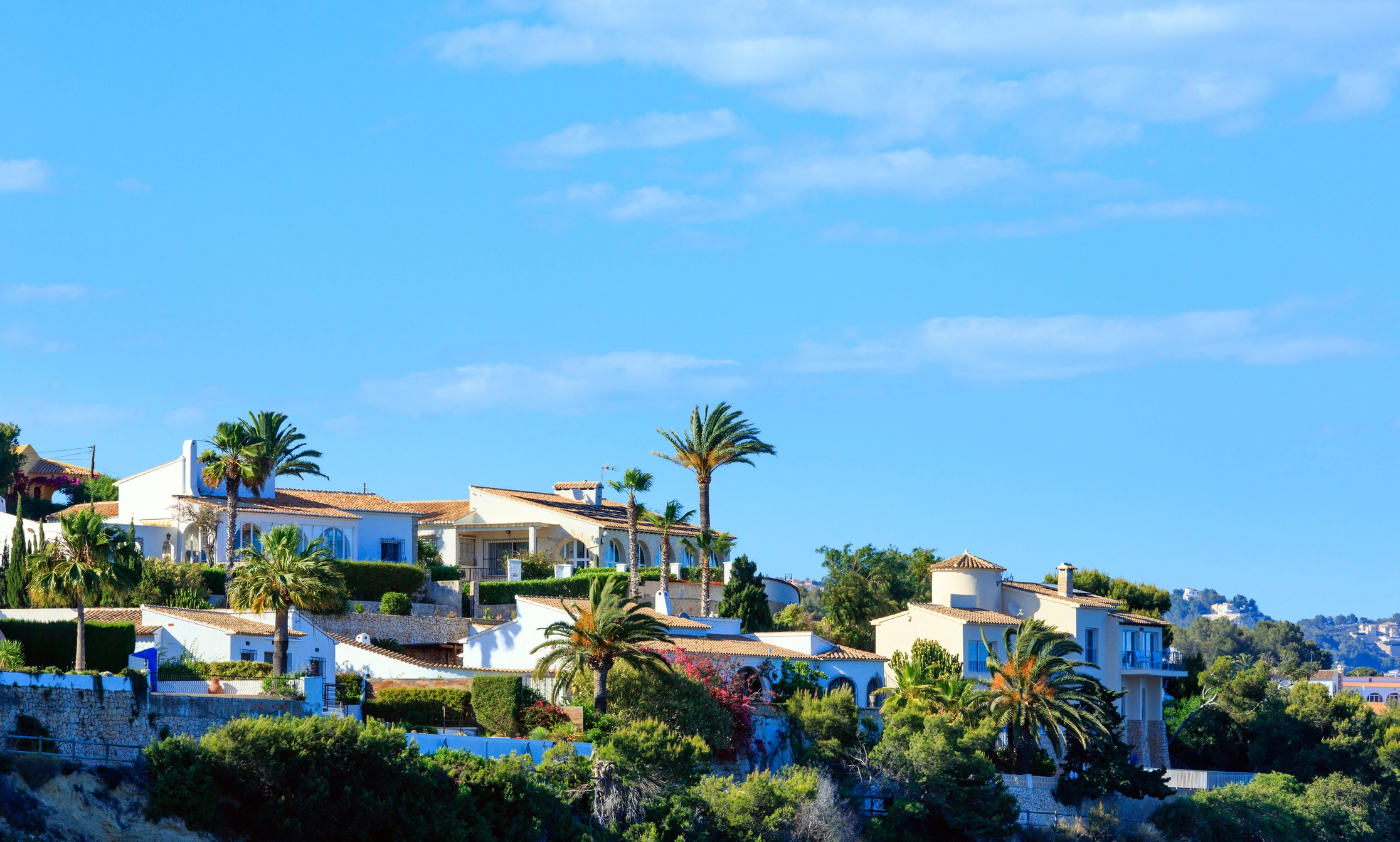
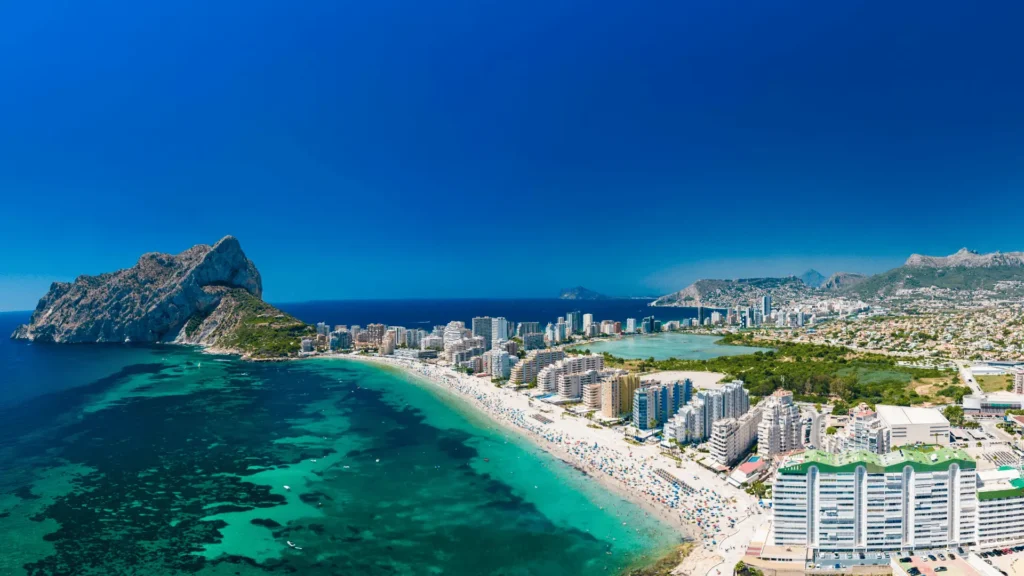
Near the main beaches, life is shaped by promenades, restaurants, apartment buildings, sea views, and easy access to the sea. In the old town, the pace feels more local, with narrow streets, cafés, small shops, and a more traditional atmosphere. Move out towards Maryvilla, Canuta, Gran Sol, Cometa or Empedrola, and the lifestyle changes again. You get more space, more villas, more privacy, and usually more driving.
That is one of Calpe’s biggest strengths. It is not one single type of place.
A central apartment can make everyday life simple. You can walk to cafés, supermarkets, restaurants and the beach without thinking too much about logistics. A villa in the residential areas gives you more room and a quieter setting, but the car becomes part of normal life.
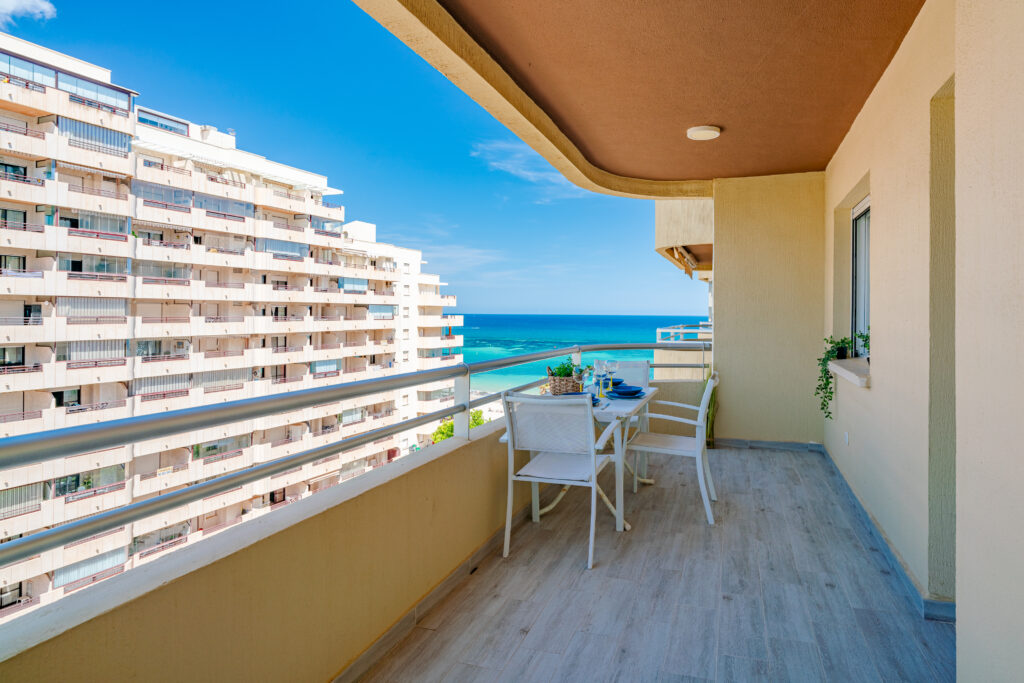
The seafront is more developed than in some nearby towns. I would not ignore that. But it also gives Calpe one of its main advantages: more apartment choice, better walkability, and a stronger supply of sea-view homes.
So the question is not simply whether Calpe is “good” or “bad”. The better question is whether you want a town that gives you convenience, activity, coastal access, and daily services in one place.
Is Calpe Good for Year-Round Living?
Yes. Calpe works well year-round, and that is one of its biggest advantages over smaller coastal towns nearby.
Outside summer, it does not shut down in the way some beach destinations can. Supermarkets, cafés, restaurants, pharmacies, medical services, and local businesses continue to operate, so daily life still feels practical.
That matters if you plan to live in Calpe full time, spend long periods here, or use the property outside July and August.
This is where Calpe makes a lot of sense. You still get the sea, the outdoor lifestyle, and the international community, but you also have the support around you that makes regular use easier.
Summer is different. The beaches, promenades, restaurants and central streets get much busier, and parking can become frustrating. Outside high season, the town settles into a calmer rhythm without feeling empty.
For many people, that balance is the appeal.
The Best Areas to Live in Calpe
A beachfront apartment in Calpe gives you a very different lifestyle from a villa in Maryvilla or a townhouse near the old town.
The right area depends on what matters most: walking, sea views, space, privacy, town access, or being close to the beach.
Calpe Old Town
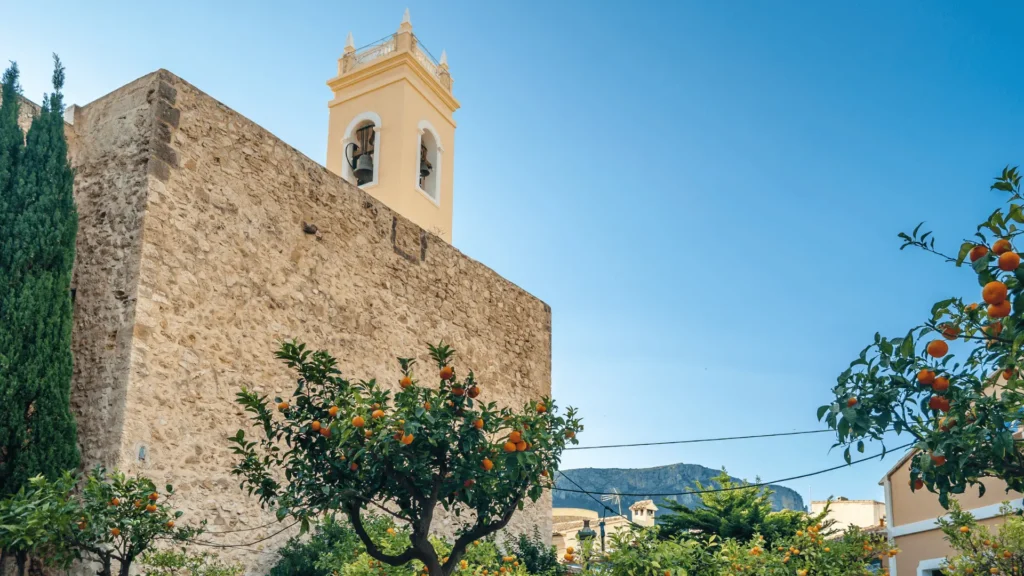
Calpe Old Town is the most traditional part of town. It sits slightly inland from the beach and feels more local than the seafront areas.
The streets are narrower, the buildings are generally lower, and daily life feels more connected to cafés, small shops, local services, and the town itself.
Property here is mostly apartments and townhouses, so it can work well if you want convenience and character rather than direct sea views or large terraces. It is not the obvious choice if your priority is a front line beach setting, but it can be a very practical place to live.
Arenal-Bol
Arenal-Bol is one of the most convenient areas to live in Calpe if you want the beach and town centre close together.
It runs along the main central beach, with shops, restaurants, cafés, and everyday services close by. For someone who wants to use the apartment often and avoid driving for every small errand, this is one of the first areas I would look at.
Apartments dominate here. Some buildings are older, others are more modern, and prices can change sharply depending on the view, floor level, terrace size, condition, and distance to the beach.
Arenal-Bol gives you the beach without losing everyday convenience. That is its strength.
La Fossa
La Fossa has a stronger holiday feel than Arenal-Bol. It sits on the other side of the Peñón de Ifach and is centred around the promenade, restaurants, apartment buildings, and the beach itself.
For many people, this is the typical Calpe beach apartment setting. It works especially well if you want a lock-up-and-leave apartment close to the sea.
Compared with Arenal-Bol, La Fossa feels more self-contained. It makes sense if most of your time will be spent around the seafront. Arenal-Bol gives you a stronger connection to the centre of Calpe.
Maryvilla and Canuta
Maryvilla and Canuta are better for villa buyers who want sea views, more privacy, and a quieter setting.
These areas sit away from the main beachfront zones and are known for detached homes, higher positions, and views across the coastline. The lifestyle is very different from an apartment near the promenade.
Most residents will need a car for supermarkets, beaches, restaurants, and town access. That is not a problem if you want a villa lifestyle, but it is worth being honest about before choosing the area.
Maryvilla and Canuta make the most sense if space, views, and privacy matter more than walking everywhere.
Cometa, Gran Sol and Empedrola
Cometa, Gran Sol and Empedrola suit people who want villas, larger plots, parking, outdoor space, and a calmer setting.
They are less beach-focused and less walkable than the central areas, but they can work well for full-time living, especially if you want more room and a more residential feel.
If you want to walk to the beach and restaurants every day, they are not the obvious choice. If you want a villa lifestyle with more space and less noise, they are worth considering.
Property in Calpe
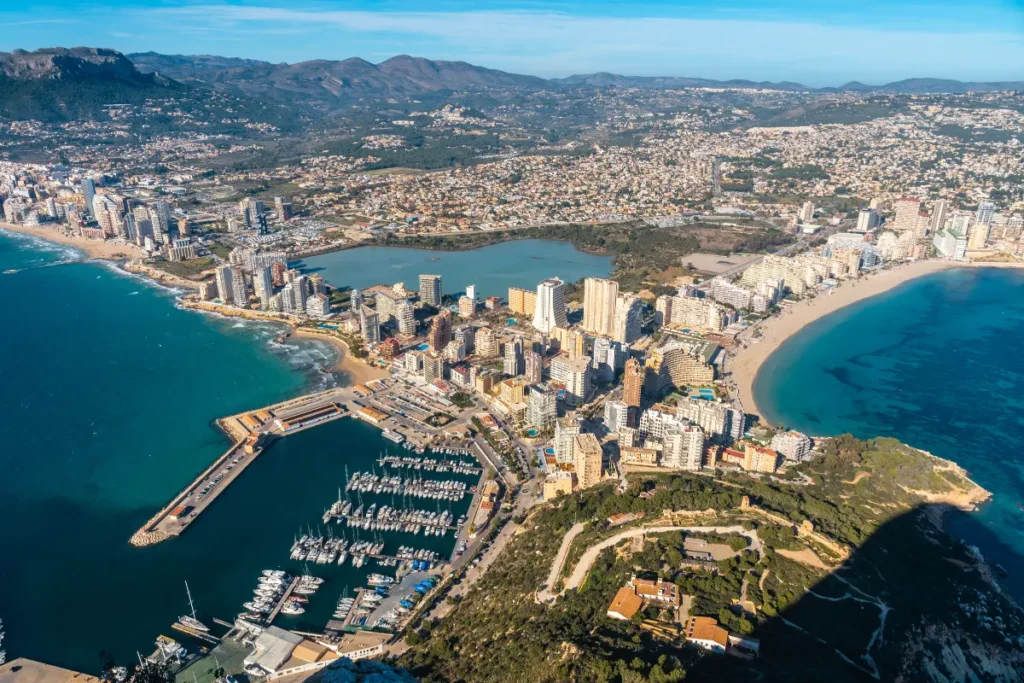
Calpe gives people a wide choice of property, which is one of the reasons it works for different budgets and lifestyles.
The main decision is usually simple: do you want an apartment close to the beach and town, or a villa in one of the surrounding residential areas?
Apartments are mainly found around the beaches, the port area, and parts of the town centre. They make sense if you want something easy to use, easier to maintain, and practical for holidays or regular visits. For many second-home owners and retirees, this is the simplest way to own in Calpe.
Villas are more common in areas such as Maryvilla, Canuta, Cometa, Gran Sol and Empedrola. These homes usually give you more space, outdoor areas, parking, pools, and views. They are a better fit if you want privacy, full-time living, or a home that feels more residential than holiday-focused.
Price depends heavily on the individual property. A front line apartment with open sea views is not the same as an older apartment a few streets back. The same applies to villas, where access, plot size, privacy, orientation, condition, and view quality can make a big difference.
In our view, it is better to compare property by property rather than judge by area name alone. In Calpe, the exact building, street, floor level, view, and condition often matter as much as the location itself.
Cost of Living in Calpe
Calpe is not the cheapest town on the Costa Blanca, but it still feels practical for what it offers.
You are paying for a town with beaches, restaurants, healthcare, local businesses, international residents, and activity outside the main tourist season. That combination has value, especially if you plan to use the property often.
Day-to-day costs depend on how you live. Groceries, cafés, restaurants, utilities, insurance, community fees, and general maintenance will all vary depending on the property and lifestyle.
For many people coming from northern Europe, everyday spending can feel reasonable, especially for eating out, local produce, and basic services. The bigger thing to understand is the cost of running the property itself.
An apartment is usually simpler and more predictable. You may have community fees, IBI, rubbish collection, insurance, and utilities, but maintenance is often easier to manage.
A villa gives you more space and privacy, but the running costs are normally higher. Pool maintenance, garden care, air conditioning, repairs, insurance, and general upkeep all need to be factored in.
Calpe is not a bargain location. But if you look at the full package, lifestyle, services, property choice, and regular use, it offers a practical balance.
Pros and Cons of Living in Calpe
Calpe works well for many people, but it is not the right fit for everyone. The main thing is knowing what you gain and what you compromise on.
Pros
- Strong services outside the summer season, including supermarkets, healthcare, cafés, restaurants and local businesses.
- Two main beach areas with different living styles.
- Good property choice, from beach apartments and townhouses to villas in residential areas.
- Established international community, which can make relocation easier.
- More day-to-day convenience than many smaller coastal towns nearby.
- Good position between Moraira, Benissa Costa, Altea and Benidorm.
- Works well for full-time living, second homes and longer stays.
Cons
- Busier in summer, especially around the beaches, promenades, restaurants and central streets.
- Parking can be difficult in peak season.
- The seafront may feel too developed for people who prefer lower-density towns such as Moraira.
- A car is needed if you live outside the centre, especially in villa areas.
- Some apartment buildings are older, so condition, lift access, community maintenance and renovation needs should be checked carefully.
- Less suited to those looking for a quiet village feel or a rural-style setting.
Overall, Calpe suits people who want a practical, well-serviced coastal town. If you want somewhere quieter, lower density or more rural, Moraira, Benissa Costa or inland areas may be a better fit.
Who Is Calpe Best For?
The appeal of Calpe is that you can actually live here, not just visit for two weeks in August. You can be close to the sea, but still have supermarkets, cafés, doctors, schools, tradespeople, and local businesses around you.
For full-time residents, that matters. Daily life is straightforward, especially if you choose a central area or somewhere with easy access into town.
For second-home owners, Calpe is also a practical choice. Beach-area apartments work well for holidays, short stays, and regular visits because you do not need to plan every day around the car.
Retirees often like Calpe because it offers mild weather, walkable areas, healthcare access, social activity, and an established international community. A central apartment can be the simpler choice if you do not want the maintenance that comes with a villa.
Families can do well here too, especially if schools, outdoor space, supermarkets, and year-round activity are priorities. The area choice matters more for families because parking, school access, and the school run can feel very different from one part of Calpe to another.
For remote workers, Calpe offers a good balance. You have the sea, cafés, restaurants, outdoor space, and day-to-day services without the scale or intensity of a larger resort city.
Final Verdict: Is Calpe a Good Place to Live?
Yes, Calpe is a good place to live if you want a coastal town that is easy to use throughout the year.
Its strength is balance. You get beaches, restaurants, property choice, an international community, and enough activity outside summer to make it feel like a real place to live.
Calpe will not be the right fit for everyone. People looking for a very quiet village feel, a low-density seafront, or complete privacy may prefer other parts of the Costa Blanca North. But for those who want Mediterranean living without giving up everyday convenience, Calpe makes a lot of sense.
The key is choosing the right area. A beachfront apartment gives you a very different lifestyle from a villa in Maryvilla or a townhouse near the old town. Once you understand those differences, Calpe becomes much easier to judge.
If you are considering moving to Calpe or buying a property here, explore current property for sale in Calpe to compare different areas, budgets, and property types.
FAQs About Living in Calpe
Is Calpe a good place to live year-round?
Yes. Calpe works well year-round because it does not shut down outside summer. Supermarkets, restaurants, healthcare, schools, local services and cafés remain active, which makes daily life practical for full-time residents.
Is Calpe expensive compared with other Costa Blanca towns?
Calpe sits in the mid-to-upper range for the Costa Blanca North. It is generally more affordable than Moraira for many property types, but prices vary a lot depending on views, location, condition, parking, terrace size and proximity to the sea.
Do you need a car in Calpe?
It depends where you live. If you are in Arenal-Bol, La Fossa or close to the old town, you can manage a lot of daily life on foot. If you live in villa areas such as Maryvilla, Canuta, Gran Sol, Cometa or Empedrola, a car is much more important.
Is Calpe suitable for families?
Yes. Calpe can work well for families because it has schools, healthcare, supermarkets, beaches, outdoor areas and year-round services. The best area depends on your priorities, especially school access, parking, space and how much you want to rely on a car.
Is Calpe busy all year?
No. Calpe is busiest in summer, especially around the beaches, promenades and central areas. Outside peak season, it becomes calmer but still has enough activity for everyday living.
What is the weather like in Calpe?
Calpe has a Mediterranean climate, with hot summers and mild winters. The weather supports an outdoor lifestyle for much of the year, which is one of the main reasons people choose to live on the Costa Blanca North.
Is Calpe a good place to buy property?
Yes, Calpe is a strong option if you want an established coastal town with good services, beaches, international demand and a varied property market. Apartments near the beach and villas with sea views are especially popular.
How does Calpe compare with Moraira?
Calpe is more active and offers more apartment choice. Moraira is quieter, lower density and more villa-focused. Calpe is better for convenience, while Moraira is better if you want a calmer residential setting.
How does Calpe compare with Altea?
Calpe is more practical and beach-focused. Altea has more character, hillside views and old-town atmosphere. Buyers who want easy beach access often prefer Calpe, while buyers who want a more distinctive town feel may prefer Altea.
How does Calpe compare with Benidorm?
Calpe is smaller and less intense than Benidorm. Benidorm has more nightlife, entertainment, shopping and public transport, while Calpe offers a more manageable coastal lifestyle.

Sina
Founder of Solinea Real Estate, based in Calpe. Sina helps buyers and sellers across the Costa Blanca North with honest, local guidance.