
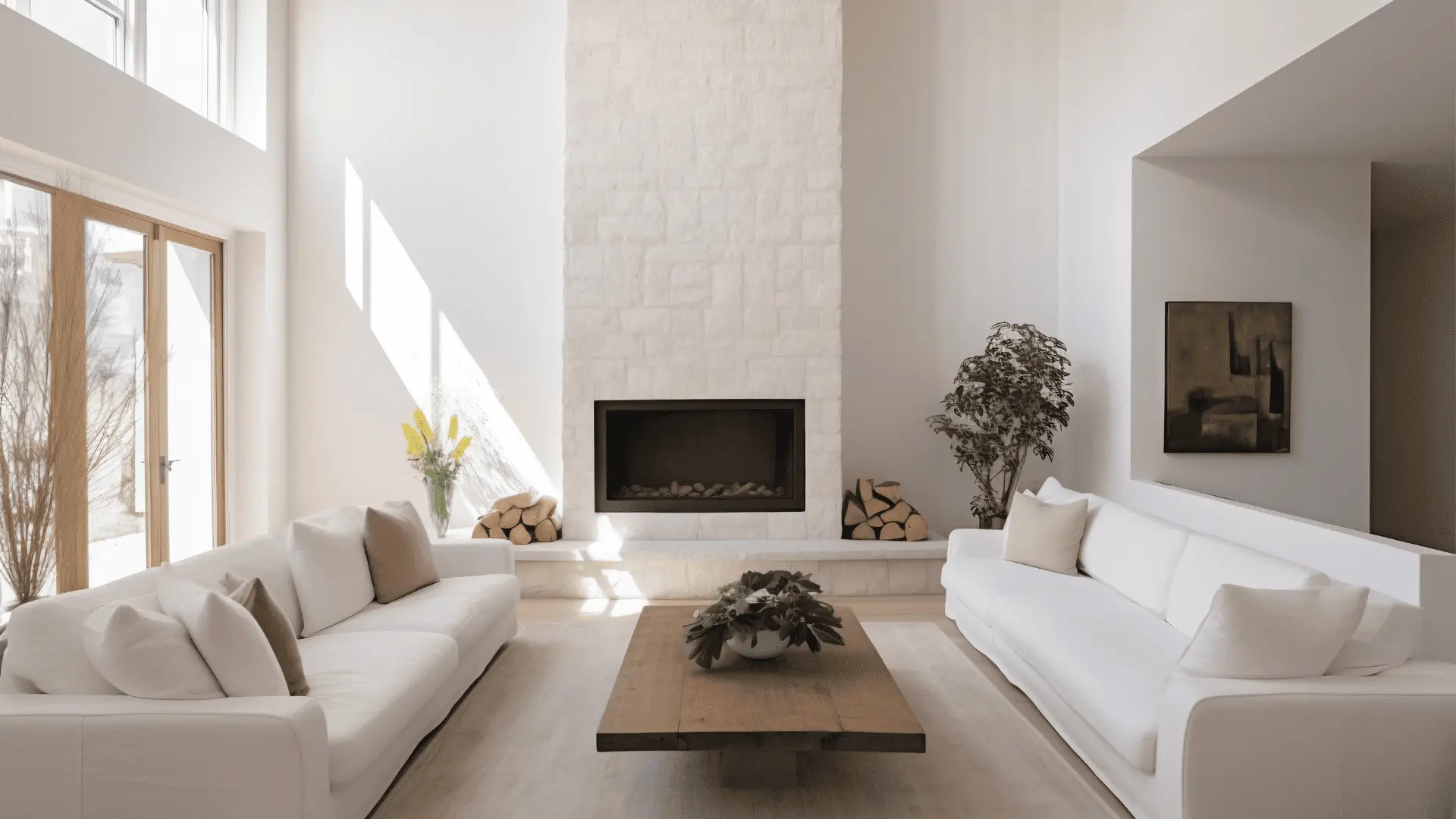
Selling a property in Spain can look simple from the outside, but common mistakes when selling a property in Spain can quickly slow the process down. Put the home on the market, arrange viewings, accept an offer, and move towards completion. In practice, it is rarely that straightforward.
Many owners make avoidable mistakes when selling a property in Spain. Some price the home too high and lose momentum. Others go to market before the property is properly prepared. In some cases, the photos are weak, the paperwork is incomplete, or the seller underestimates the real costs involved.
These mistakes can slow down the sale, reduce buyer confidence, and affect the final result. If you are planning to sell in Costa Blanca North, including Calpe, Moraira, Benissa, or Altea, it helps to understand where sellers often go wrong and how to avoid those problems from the start.
Why Selling a Property in Spain Is Not Always Straightforward
Selling a home is not just about finding a buyer. It is also about pricing correctly, presenting the property well, preparing the legal side early, and managing the process carefully enough to keep the sale moving.
This matters even more in markets with a strong international audience. Many Costa Blanca buyers begin their search online from abroad and compare homes across several towns before making contact. That means presentation, clarity, and trust matter from the start.
Setting the Wrong Asking Price When Selling a Property in Spain
One of the most common mistakes when selling a property in Spain is choosing the wrong asking price. Usually, the home is either overpriced because the seller wants room for negotiation, or priced too low because they want a quick deal without fully understanding the market.
Neither approach works well.
Why Overpricing Can Delay a Sale
When a property is launched too high, serious buyers often move on quickly. Even if the home is attractive, they compare it with better-positioned alternatives and question the value.
The usual result is loss of momentum. The property stays on the market too long, interest fades, and later price reductions become necessary.
How to Price Your Home More Accurately
A realistic asking price should be based on market evidence, not personal attachment or financial need. Sellers should look at comparable properties, current demand, condition, location, and how the property compares with active competition. At Solinea Real Estate, this is where local market knowledge matters most, especially when a property’s value depends on details that do not always show clearly in broad market averages.
In Costa Blanca North, factors that often influence value include:
- walking distance to amenities
- sea views
- privacy
- modernisation
- outdoor space
- orientation
- year-round practicality
The goal is to launch at a price that feels credible and competitive from the start.
Poor Presentation Is One of the Biggest Mistakes When Selling a House
Another major mistake when selling a house is failing to prepare it properly before viewings and photography. Buyers do not judge a property only on size and location. They also respond to how it feels.
If the home looks dark, cluttered, tired, or poorly maintained, buyers may lower their view of its value very quickly.
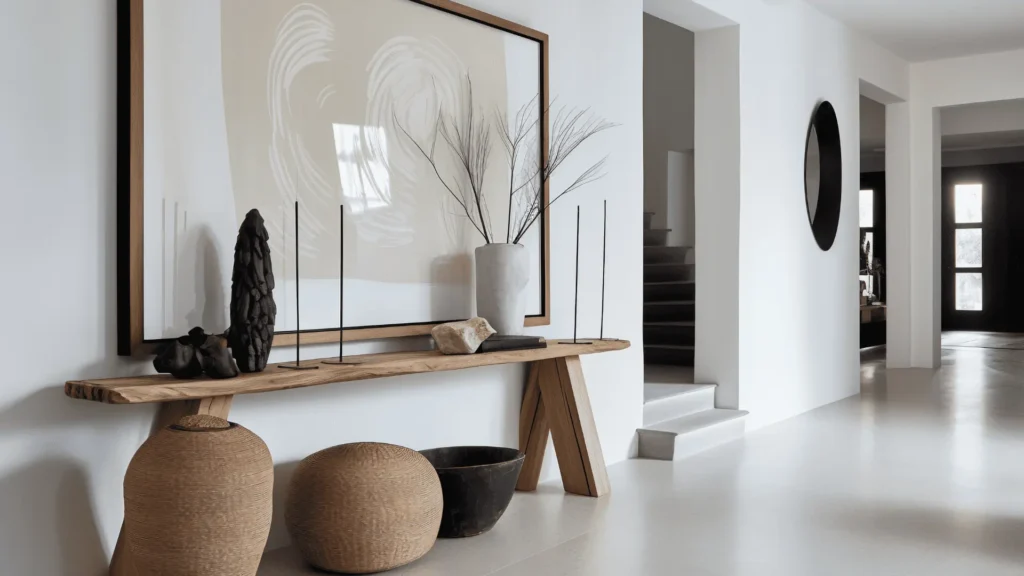
Why First Impressions Affect Value
First impressions begin before the buyer even enters the home. Exterior condition, access, terraces, gardens, and general upkeep all shape the way the property is perceived.
Inside, buyers notice light, layout, maintenance, storage, and whether the property feels easy to live in.
How to Prepare Your Property for Viewings
In many cases, sensible preparation makes a noticeable difference without requiring major expense. Before viewings, it helps to focus on basics such as:
- minor repairs
- fresh paint where needed
- better lighting
- tidier outdoor areas
- decluttering
- a more balanced furniture layout
It also helps to reduce personal distractions. Family photographs, crowded shelves, and overfilled storage can make it harder for buyers to picture themselves in the space.
Poor Photos and Weak Listings Can Stop Buyers Enquiring
Poor online presentation is one of the most damaging mistakes when selling a property in Spain. For many buyers, especially international ones, the online listing is the first viewing. If the photos are weak or the wording lacks clarity, interest can disappear before an enquiry is ever made.
Why Online Presentation Matters When Selling a Home in Spain
Bad photography can make even a good property look smaller, darker, older, or less inviting than it really is. Images that are poorly framed, badly lit, or inconsistent in quality lower confidence straight away.
This matters even more when buyers are narrowing their shortlist before travelling to Spain.
What a Strong Property Listing Should Include
A good property listing should do more than list room counts and basic features. It should explain the home clearly and show what makes it attractive in practical terms.
Useful details often include:
- outdoor living space
- privacy
- views
- renovation quality
- parking
- orientation
- proximity to amenities
- the general setting
Clear, accurate details usually perform better than exaggerated language.
Not Understanding Your Buyer Can Make Your Property Harder to Sell
A common mistake when selling a house is trying to market it to everyone instead of focusing on the buyer most likely to value it. Not every property appeals to the same audience.
A lock-up-and-leave apartment, a family villa, and a modern investment property each need slightly different positioning.
Why Buyer Profile Matters
Understanding the likely buyer shapes the whole strategy. It affects the listing, the images, the marketing channels, and the way the home is presented during viewings.
If the property is likely to attract retirees, they may care about comfort, layout, accessibility, outdoor living, and convenience. A family may focus more on space, privacy, practicality, and location. An investor may look at rental appeal, maintenance, and long-term demand.
What Different Buyers Look for in Costa Blanca North
Buyer priorities often vary by property type and area. For example:
- buyers in Calpe may focus on beach access, views, and convenience
- buyers in Moraira often look closely at lifestyle, setting, and a quieter atmosphere
- buyers in Benissa may place more value on plot quality, privacy, and character
- buyers in Altea often care strongly about style, outlook, and location
A good selling strategy recognises who the property is likely to appeal to and presents it accordingly.
Missing Paperwork Can Delay the Sale of Your Property in Spain
Another of the most common mistakes when selling a property in Spain is leaving the paperwork too late. Sellers sometimes assume they can deal with legal details once a buyer is found. In reality, this often creates delays at the stage where confidence matters most.

Documents Needed to Sell a Property in Spain
The exact paperwork depends on the property, but sellers should usually prepare the key legal and practical documents early. These may include:
- title deed
- latest IBI receipt
- energy performance certificate
- identification documents
- community information where relevant
Depending on the property, additional paperwork may also be needed. This is one of the areas where early guidance can make a real difference. At Solinea Real Estate, checking the legal and practical side early helps reduce delays later in the sale.
Why Legal Preparation Matters Early
Buyers feel more confident when the sale looks organised from the start. If documents are missing or something needs to be clarified late in the process, momentum can be lost very quickly.
Getting the paperwork in order early helps avoid unnecessary stress and keeps the sale moving more smoothly towards completion.
Negotiation Mistakes When Selling a Property in Spain
Negotiation is another area where sellers often lose ground without meaning to. Some react emotionally to low offers. Others become too rigid because they feel the buyer should automatically recognise the property’s value.
How Sellers Weaken Their Position
A seller weakens their position when they:
- launch with an unrealistic price
- react too quickly to offers
- communicate inconsistently
- make decisions without a clear minimum outcome in mind
It is also a mistake to look only at the offer amount. The buyer’s financial strength, seriousness, timeline, and conditions all matter.
How to Handle Offers More Effectively
Negotiation should be calm, informed, and based on the real market position of the property. A slightly lower offer from a well-prepared buyer can be better than a stronger number tied to uncertainty.
Good negotiation is about reaching the best workable result, not trying to win every point.
Underestimating the Costs of Selling a House in Spain
Many owners think mainly about the asking price and do not properly calculate the costs of selling a house in Spain. This can lead to disappointment later, especially when the sale is tied to another purchase, a move, or financial planning.
The Main Taxes and Selling Costs to Consider
Selling costs vary depending on the case, but sellers may need to account for:
- municipal plusvalía
- legal fees
- possible mortgage cancellation costs
- tax on any gain made from the sale
The exact position depends on factors such as residency, ownership history, and whether the home is a main residence or a second property.
Why Net Proceeds Matter More Than the Asking Price
The number that matters most is not always the asking price. It is what remains after all relevant costs have been taken into account.
Understanding likely proceeds early makes decision-making clearer and reduces the risk of unpleasant surprises later.
Trying to Sell Without a Clear Strategy
One final mistake is trying to manage the whole process without a proper plan.
Selling a property involves more than advertising it online. It requires pricing strategy, presentation, buyer positioning, legal readiness, viewing management, and careful negotiation. If these parts are handled separately or reactively, the result is often weaker.
A clear strategy helps the sale feel more controlled from the beginning and reduces avoidable mistakes along the way.
FAQs About Selling a Property in Spain
Selling a property in Spain often raises practical questions, especially around pricing, paperwork, costs, and how to avoid mistakes that can delay the sale.
What is the biggest mistake when selling a property in Spain?
The biggest mistake when selling a property in Spain is setting the asking price too high from the start. An unrealistic price can reduce interest, delay viewings, and leave the property on the market for too long.
How do I set the right asking price for my home in Spain?
To set the right asking price, you need to look at current local market conditions, comparable properties, location, condition, views, outdoor space, and buyer demand. The best asking price reflects the real market, not just what the owner hopes to achieve.
What documents do I need to sell a property in Spain?
The documents needed to sell a property in Spain usually include the title deed, latest IBI receipt, energy performance certificate, identification documents, and any relevant community paperwork. Depending on the property, additional documents may also be required.
What costs should I expect when selling a house in Spain?
When selling a house in Spain, you may need to account for municipal plusvalía, legal fees, possible mortgage cancellation costs, and tax on any gain made from the sale.
Should I renovate before selling my property in Spain?
Not always. In many cases, small improvements such as paint touch-ups, minor repairs, better lighting, decluttering, and stronger presentation are enough to improve buyer perception.
Final Thoughts on Common Mistakes When Selling a Property in Spain
Most mistakes when selling a property in Spain are avoidable.
The pattern is usually the same. Sellers rush the launch, rely on guesswork, or focus too narrowly on one part of the process while overlooking the rest. The property is overpriced, the presentation is not strong enough, the paperwork is not ready, or the financial side is not fully understood. These are some of the most common mistakes when selling a property in Spain, and they can all affect the final result.
A better outcome usually starts with better preparation. Price the home realistically, present it properly, market it to the right buyer, organise the paperwork early, and approach negotiations with a clear view of the bigger picture.
For sellers in Costa Blanca North, this matters even more because many buyers are comparing homes across different towns and often making decisions from abroad. When the property is well positioned from the start, the sale usually moves with more confidence and less friction. with more confidence and less friction.

Sina
Founder of Solinea Real Estate, based in Calpe. Sina helps buyers and sellers across the Costa Blanca North with honest, local guidance.