Home / Resources / Can You Drink Tap Water in Calpe? Safety, Taste and Limescale
Uncategorized

Can You Drink Tap Water in Calpe? Safety, Taste and Limescale

Sina By Sina 16 November 2026 5 min read
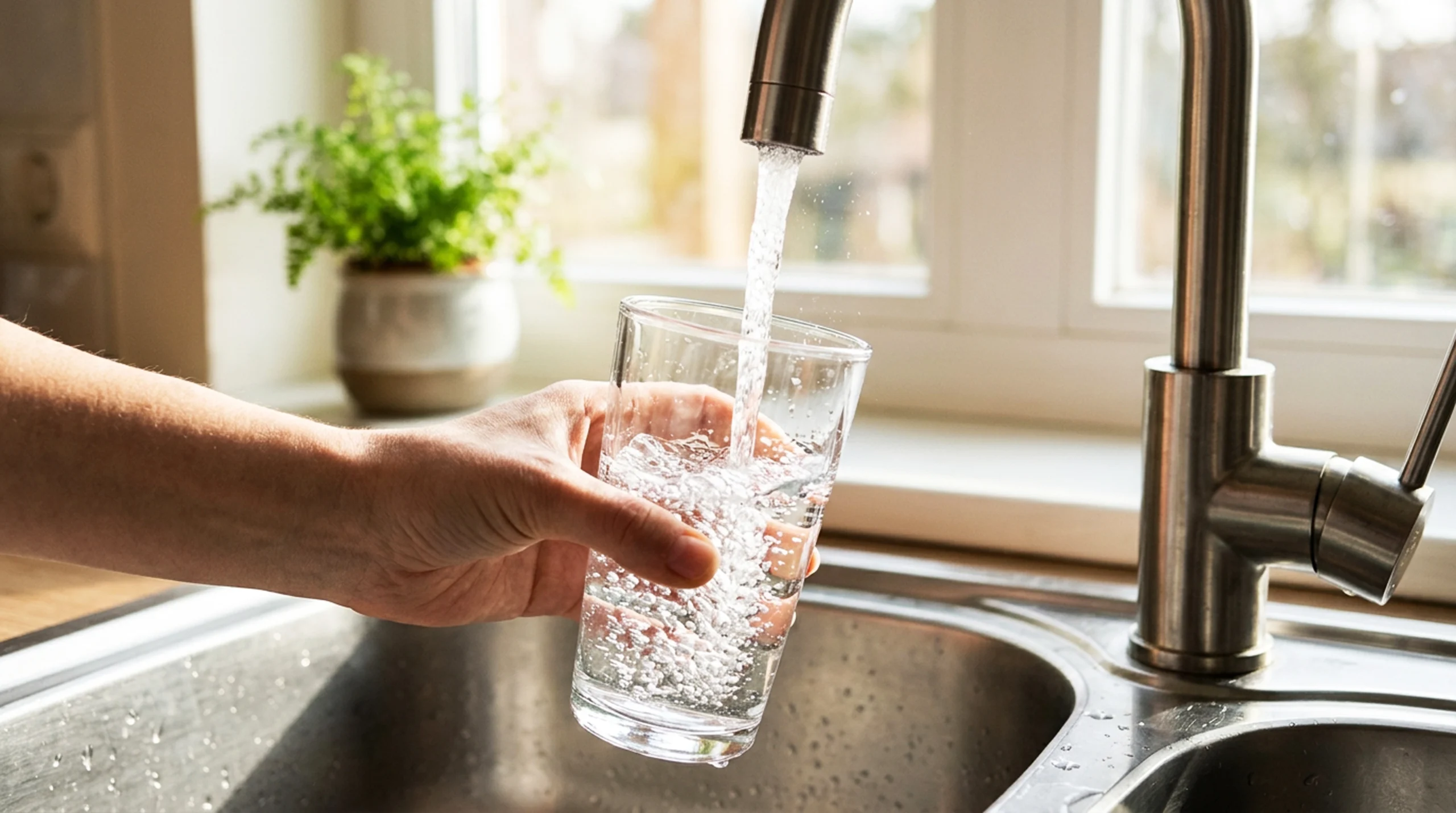
Person filling a glass with tap water from a kitchen faucet in a home, illustrating whether Calpe tap water is safe to drink.

If you’re staying in a Calpe apartment or villa, you might notice the tap water tastes different from what you’re used to at home. That can leave you wondering whether it’s fine to drink or if you should stick to bottled water.

There’s also the limescale you sometimes see around taps, shower screens and kettles. The town’s water supply is monitored, although the condition of the plumbing in your accommodation matters too.

Is Calpe Tap Water Safe to Drink?

Yes, Calpe’s public tap water is normally safe to drink.
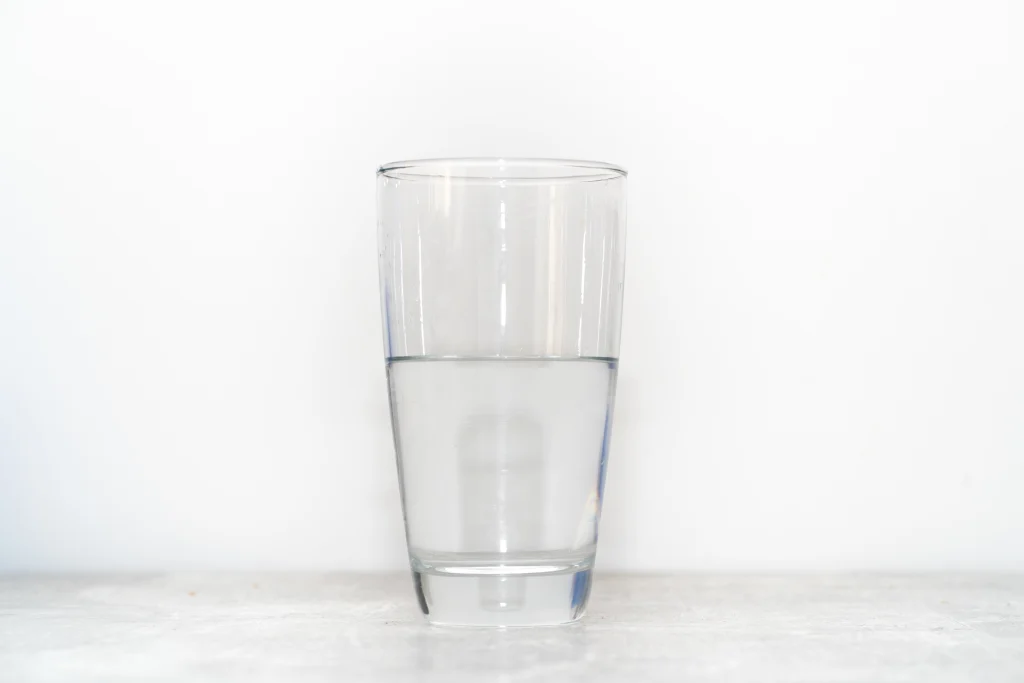
Clear drinking glass half-filled with water, illustrating tap water safety in Calpe, Spain.

The water undergoes disinfection before reaching homes. Parts of the system also use filtration and reverse osmosis. It’s also tested against Spain’s drinking-water standards, so visitors can generally drink it just as residents do.

Water quality is monitored through Spain’s national drinking-water information system, known as SINAC. It records laboratory results from local water supplies. These include checks for bacteria, chemicals and other substances that could affect drinking-water safety.

AQUADATA compiles official SINAC records. Its latest classified analysis for Calpe, dated 30 October 2026, was marked apta para el consumo, meaning suitable for drinking. Its published figures also showed 316 analyses during the preceding 12 months, with none classified as unsuitable for consumption.

Why Calpe Tap Water Can Taste Different

I can usually taste the chlorine when I drink water straight from the tap in Calpe. If you’re used to UK tap water, you might taste it too. Some people barely notice it.
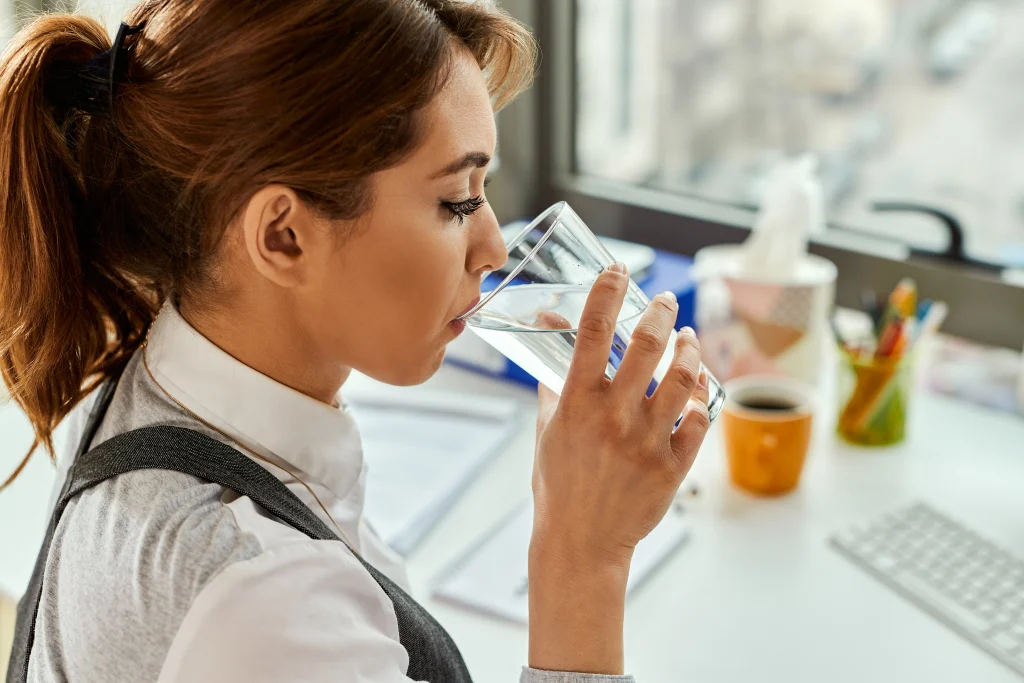
Woman drinking a glass of water, illustrating the taste of tap water in Calpe and its possible chlorine flavour.

Chlorine is used during treatment to kill harmful microorganisms and help protect the water as it travels through the pipes. A small amount can remain by the time it reaches your kitchen tap, which explains that familiar swimming-pool-like flavour or smell.

The taste can also vary across Calpe, depending on the water sources and treatment used in different parts of the distribution system.

If you find the taste strong, try keeping a jug of tap water in the fridge. Drinking it chilled can make it more pleasant, especially during the warmer months.

Hard Water and Limescale in Calpe Homes

Those white marks around the taps or the chalky build-up inside your kettle are usually limescale. It forms when naturally occurring minerals, mainly calcium and magnesium, leave deposits behind as water evaporates or is heated.
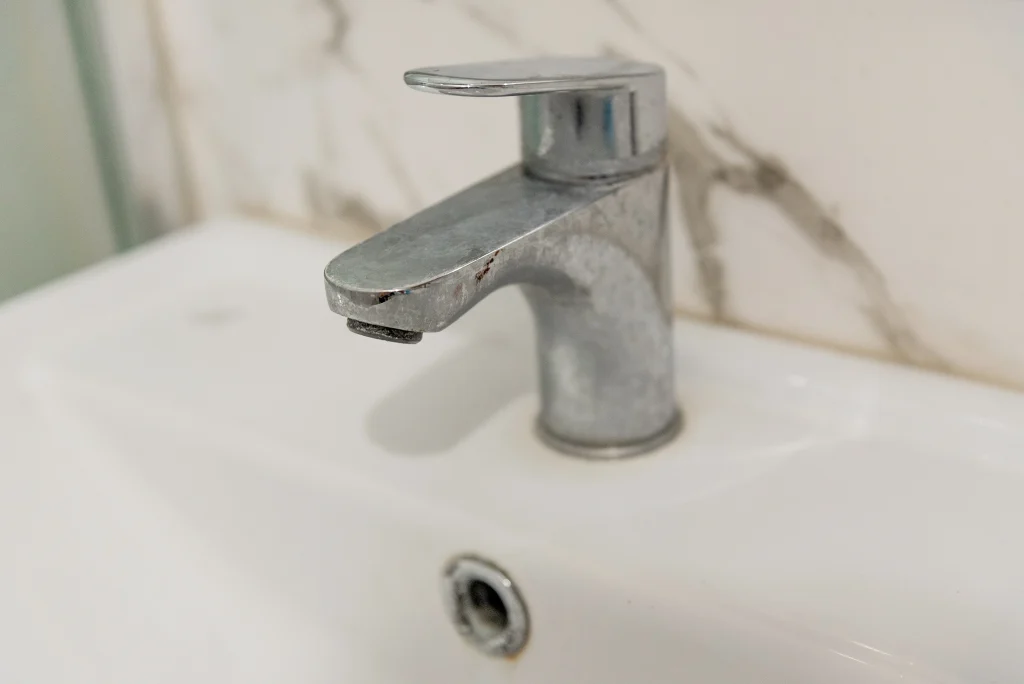
White limescale deposits on a chrome bathroom tap, showing the effects of hard water commonly found in Calpe homes

A sample taken on 2 June 2026 from one of Calpe’s main distribution networks recorded a hardness level of 180 mg/L, measured as calcium carbonate. That’s a reading from one part of the supply on a particular day, and hardness can vary between properties and over time.

For someone staying in a holiday apartment, it’s usually a cleaning nuisance. You might find cloudy drinking glasses or stubborn deposits on the shower screen. Those deposits come from minerals in the water rather than being a sign of contamination.

If you own a property in Calpe, the long-term effects matter more. Limescale can build up inside kettles, coffee machines and water heaters, potentially making them less efficient over time.

Regular descaling, following the appliance manufacturer’s instructions, is a sensible place to start. Before spending money on a whole-home water-softening system, I’d check how serious the build-up actually is and whether it’s causing problems with your appliances.

Do You Need Bottled or Filtered Water in Calpe?

In most Calpe homes connected to the public water supply, the tap water is fine for everyday use. As a family, we use it for cooking, making tea in the kettle and brushing our teeth. We drink bottled water because we prefer the taste. We also use it in our coffee machine because of limescale build-up.
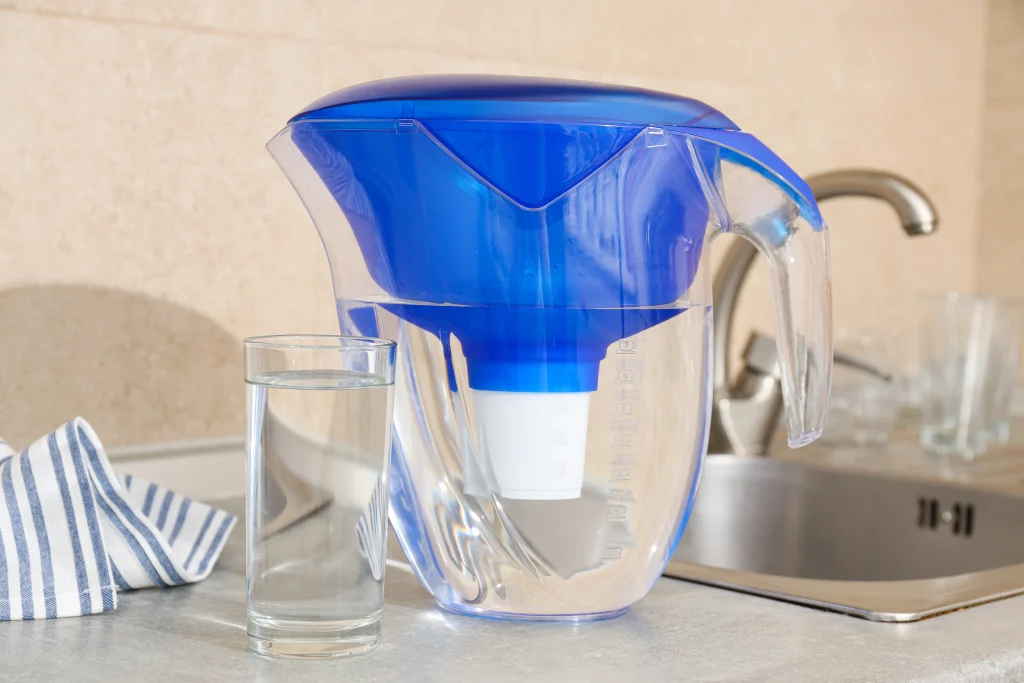
Water filter jug and glass of drinking water on a kitchen worktop, illustrating filtered tap water as an option in Calpe.

If the chlorine flavour bothers you, a filter jug or a filter fitted to the kitchen tap might help. Many everyday filters use activated carbon to improve taste and smell. Just remember that they need cleaning and regular cartridge replacements to work properly.

For a short holiday, picking up bottled water from the supermarket might be the easiest option if you prefer its taste. But if you’re staying for several weeks or thinking about living in Calpe permanently, filtering your tap water could save you the expense and hassle of carrying heavy bottles home. You’ll also use less plastic.

In July 2024, Calpe Town Hall announced a free drinking-water fountain in Plaza Constitución. It was installed to provide filtered, chilled water for refilling bottles. It’s worth checking that it’s still working before making a special trip to use it.

When to Check the Water in Your Calpe Apartment or Villa

Pay attention if the water coming from your taps suddenly changes colour, develops an unfamiliar smell or the pressure drops without explanation. Tell the property owner or manager so they can investigate what’s happening.
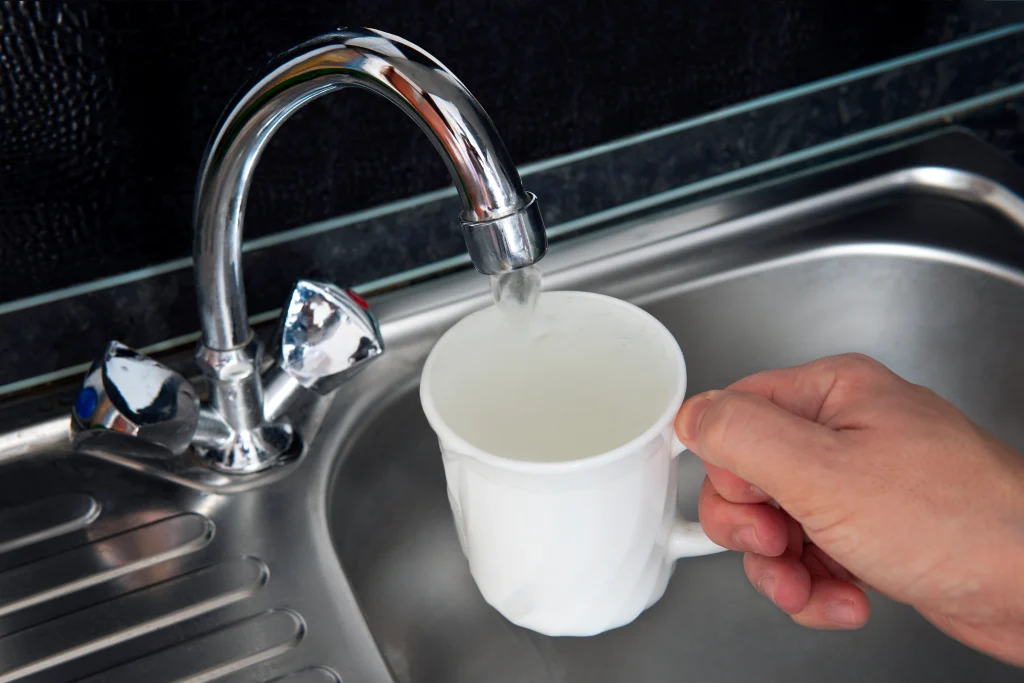
Person filling a white mug from a kitchen tap, illustrating water checks in a Calpe apartment or villa.

Water can also sit in the pipes of apartments and villas that have been left empty. After a short period without use, running the cold taps for a couple of minutes, followed by the hot taps until the water becomes hot, can help clear standing water.

For a property that’s been closed for several months, especially one with a water-storage tank, I’d want confirmation that the water system has been checked and maintained before using it.

Ask the neighbours if they’ve noticed the same change. A fault confined to one home could be coming from its plumbing, while reports from several properties might point to the wider supply.

If you suspect a public-supply fault, Aguas de Calpe has a free 24-hour fault-reporting number on 900 924 835. You can also check announcements from the water company or Calpe Town Hall for updates about local interruptions.

If an official water-quality warning is issued, follow its specific instructions. A boil-water notice is different from a do-not-drink or do-not-use warning, and each requires different precautions. While suspected contamination is being investigated, use bottled water for drinking, brushing your teeth and preparing food. An ordinary household filter jug cannot be relied upon to make contaminated water safe.

Sina
Written by

Sina

Founder of Solinea Real Estate, based in Calpe. Sina helps buyers and sellers across the Costa Blanca North with honest, local guidance.
Stay informed

Join the Calpe buyer list

New listings and local market updates for Calpe and the Costa Blanca North. Occasional emails only.

No spam, and you can unsubscribe any time.

Can You Drink Tap Water in Calpe? Safety, Taste and Limescale

If you’re staying in a Calpe apartment or villa, you might notice the tap water tastes different from what you’re used to at home. That can leave you wondering whether it’s fine to drink or if you should stick to bottled water.

There’s also the limescale you sometimes see around taps, shower screens and kettles. The town’s water supply is monitored, although the condition of the plumbing in your accommodation matters too.

Is Calpe Tap Water Safe to Drink?

Yes, Calpe’s public tap water is normally safe to drink.

Clear drinking glass half-filled with water, illustrating tap water safety in Calpe, Spain.

The water undergoes disinfection before reaching homes. Parts of the system also use filtration and reverse osmosis. It’s also tested against Spain’s drinking-water standards, so visitors can generally drink it just as residents do.

Water quality is monitored through Spain’s national drinking-water information system, known as SINAC. It records laboratory results from local water supplies. These include checks for bacteria, chemicals and other substances that could affect drinking-water safety.

AQUADATA compiles official SINAC records. Its latest classified analysis for Calpe, dated 30 October 2026, was marked apta para el consumo, meaning suitable for drinking. Its published figures also showed 316 analyses during the preceding 12 months, with none classified as unsuitable for consumption.

Why Calpe Tap Water Can Taste Different

I can usually taste the chlorine when I drink water straight from the tap in Calpe. If you’re used to UK tap water, you might taste it too. Some people barely notice it.

Woman drinking a glass of water, illustrating the taste of tap water in Calpe and its possible chlorine flavour.

Chlorine is used during treatment to kill harmful microorganisms and help protect the water as it travels through the pipes. A small amount can remain by the time it reaches your kitchen tap, which explains that familiar swimming-pool-like flavour or smell.

The taste can also vary across Calpe, depending on the water sources and treatment used in different parts of the distribution system.

If you find the taste strong, try keeping a jug of tap water in the fridge. Drinking it chilled can make it more pleasant, especially during the warmer months.

Hard Water and Limescale in Calpe Homes

Those white marks around the taps or the chalky build-up inside your kettle are usually limescale. It forms when naturally occurring minerals, mainly calcium and magnesium, leave deposits behind as water evaporates or is heated.

White limescale deposits on a chrome bathroom tap, showing the effects of hard water commonly found in Calpe homes

A sample taken on 2 June 2026 from one of Calpe’s main distribution networks recorded a hardness level of 180 mg/L, measured as calcium carbonate. That’s a reading from one part of the supply on a particular day, and hardness can vary between properties and over time.

For someone staying in a holiday apartment, it’s usually a cleaning nuisance. You might find cloudy drinking glasses or stubborn deposits on the shower screen. Those deposits come from minerals in the water rather than being a sign of contamination.

If you own a property in Calpe, the long-term effects matter more. Limescale can build up inside kettles, coffee machines and water heaters, potentially making them less efficient over time.

Regular descaling, following the appliance manufacturer’s instructions, is a sensible place to start. Before spending money on a whole-home water-softening system, I’d check how serious the build-up actually is and whether it’s causing problems with your appliances.

Do You Need Bottled or Filtered Water in Calpe?

In most Calpe homes connected to the public water supply, the tap water is fine for everyday use. As a family, we use it for cooking, making tea in the kettle and brushing our teeth. We drink bottled water because we prefer the taste. We also use it in our coffee machine because of limescale build-up.

Water filter jug and glass of drinking water on a kitchen worktop, illustrating filtered tap water as an option in Calpe.

If the chlorine flavour bothers you, a filter jug or a filter fitted to the kitchen tap might help. Many everyday filters use activated carbon to improve taste and smell. Just remember that they need cleaning and regular cartridge replacements to work properly.

For a short holiday, picking up bottled water from the supermarket might be the easiest option if you prefer its taste. But if you’re staying for several weeks or thinking about living in Calpe permanently, filtering your tap water could save you the expense and hassle of carrying heavy bottles home. You’ll also use less plastic.

In July 2024, Calpe Town Hall announced a free drinking-water fountain in Plaza Constitución. It was installed to provide filtered, chilled water for refilling bottles. It’s worth checking that it’s still working before making a special trip to use it.

When to Check the Water in Your Calpe Apartment or Villa

Pay attention if the water coming from your taps suddenly changes colour, develops an unfamiliar smell or the pressure drops without explanation. Tell the property owner or manager so they can investigate what’s happening.

Person filling a white mug from a kitchen tap, illustrating water checks in a Calpe apartment or villa.

Water can also sit in the pipes of apartments and villas that have been left empty. After a short period without use, running the cold taps for a couple of minutes, followed by the hot taps until the water becomes hot, can help clear standing water.

For a property that’s been closed for several months, especially one with a water-storage tank, I’d want confirmation that the water system has been checked and maintained before using it.

Ask the neighbours if they’ve noticed the same change. A fault confined to one home could be coming from its plumbing, while reports from several properties might point to the wider supply.

If you suspect a public-supply fault, Aguas de Calpe has a free 24-hour fault-reporting number on 900 924 835. You can also check announcements from the water company or Calpe Town Hall for updates about local interruptions.

If an official water-quality warning is issued, follow its specific instructions. A boil-water notice is different from a do-not-drink or do-not-use warning, and each requires different precautions. While suspected contamination is being investigated, use bottled water for drinking, brushing your teeth and preparing food. An ordinary household filter jug cannot be relied upon to make contaminated water safe.

Leave a Comment