Home / Resources / Baños de la Reina in Calpe: Roman Pools, Tours and Visiting Tips
Uncategorized

Baños de la Reina in Calpe: Roman Pools, Tours and Visiting Tips

Sina By Sina 12 November 2026 9 min read
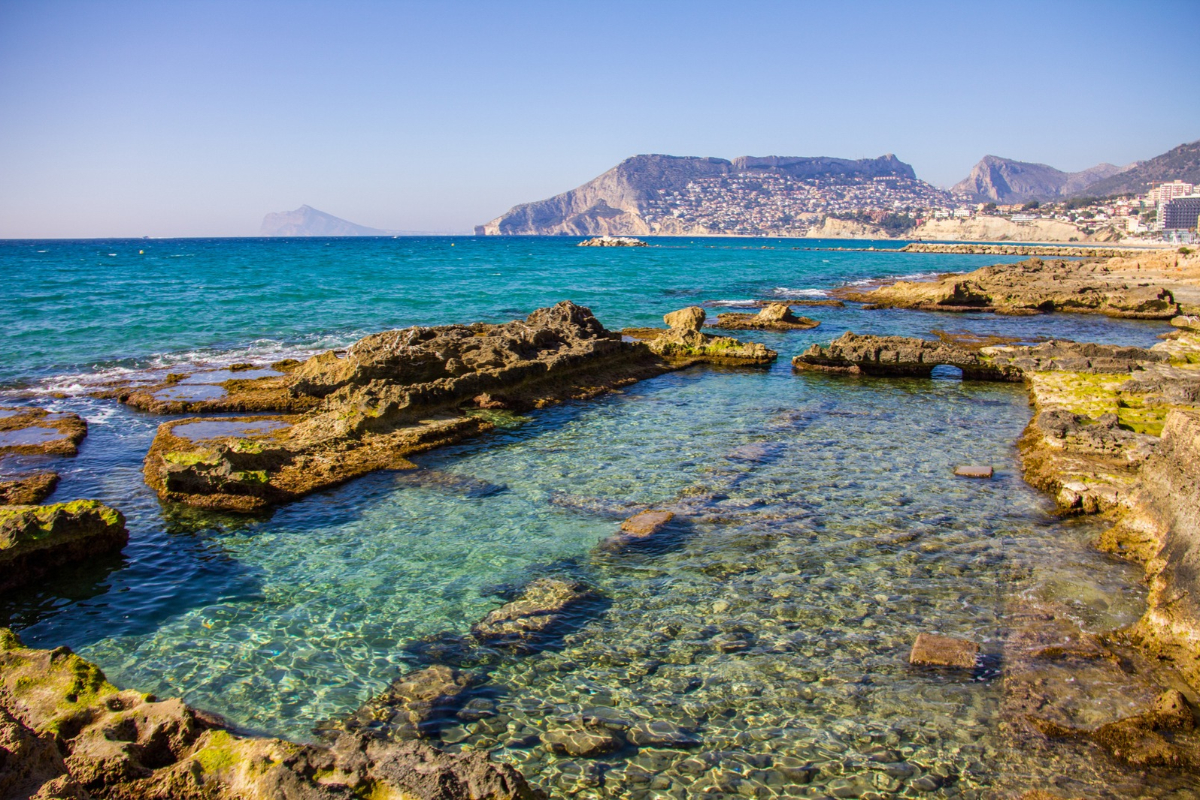
Clear turquoise water in the ancient Roman fish-farming pools at Baños de la Reina in Calpe, with the Mediterranean coastline behind.

Just beyond Arenal-Bol Beach, six rectangular pools are cut into the rocks beside the Mediterranean. They’re the best-known part of Baños de la Reina, a Roman archaeological site dating back nearly 2,000 years.

The pools were used to keep live fish, but there’s more to the site than what you can see beside the sea. Archaeologists have also uncovered Roman houses, mosaics and bathing rooms further inland. It’s easy to walk past the pools without realising how much history there is here.
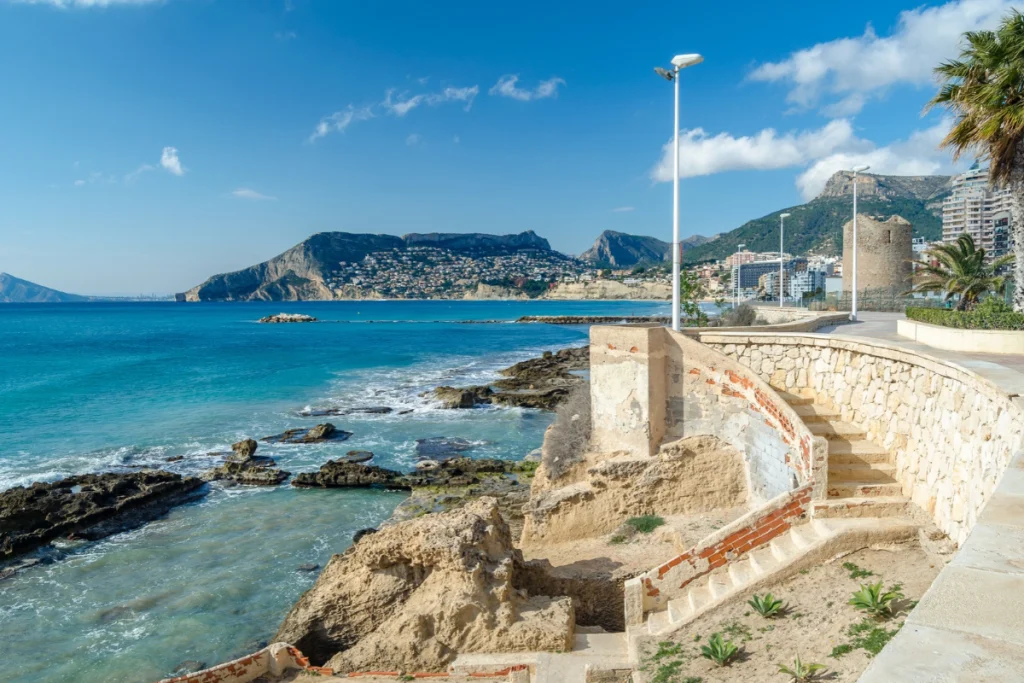
Roman archaeological ruins and stone steps beside the Mediterranean Sea at Baños de la Reina in Calpe, with the seafront promenade and Torre del Molí nearby.

Baños de la Reina Guided Tours, Opening Times and Booking

Calp Town Hall runs free guided tours of the archaeological site, where you can explore the Roman settlement and learn more about the people who lived here. Places must be booked in advance, and each group is limited to 25 visitors.

The current guided tour programme runs until 31 March 2027, with the following times:

  • Wednesday to Saturday: 10:00, 11:30 and 13:00
  • Sundays and public holidays: 10:00 and 12:00
  • English-language tours: Wednesday and Friday at 11:30
  • Valencian-language tours: Sunday at 12:00
  • Admission: Free, with advance booking required

The tour usually takes around 50 minutes, with a guide explaining the different ruins and what they were used for.

To book, email cabdelareina@esatur.com with your preferred date, time and number of visitors. If you’d prefer an English-language tour, mention that in your message and wait for confirmation that places are available.

The entrance is on Avenida de Europa. Try to arrive about 10 minutes early so you’re ready when the tour starts.

These times apply to the organised archaeological visits, not the coastal pools beside the promenade. The timetable can change, so check the official Calpe tourism website before visiting, particularly if you’re coming after March 2027.

What Can You See at Baños de la Reina?

Baños de la Reina has three main archaeological areas: the fish ponds beside the sea, the remains of the Roman settlement and the Muntanyeta baths. The fish ponds show how the Romans used the sea, while the houses and bathing rooms tell us more about everyday life.

The Roman Fish-Farming Pools

These are the pools you’ll probably recognise from photographs of Baños de la Reina. They’re cut directly into the coastal rock, with straight sides, dividing walls and channels connecting them to the Mediterranean.
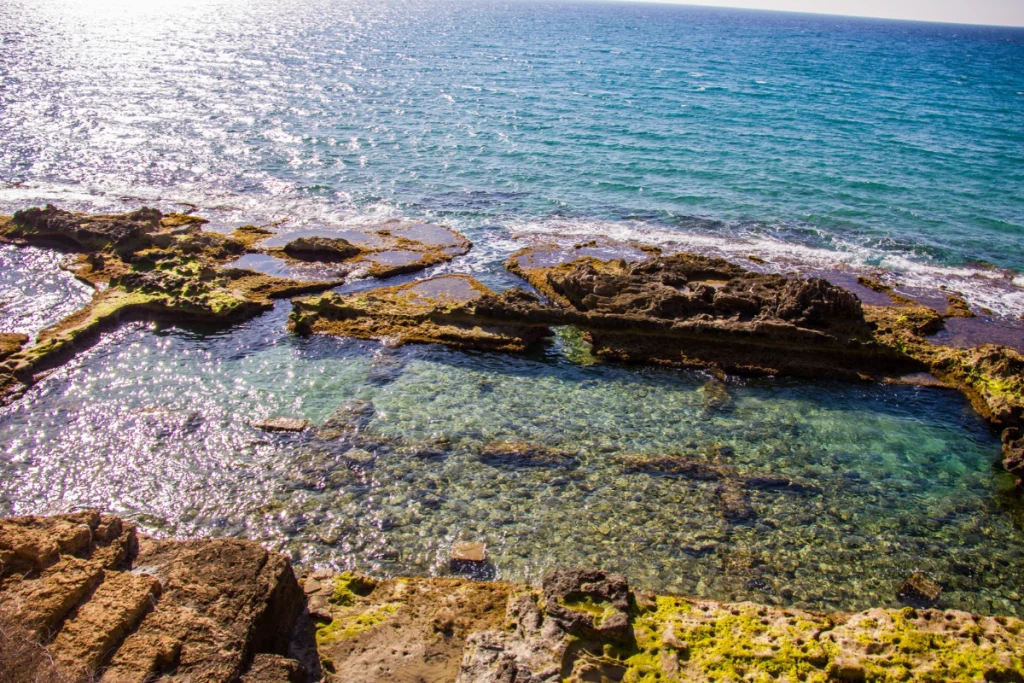
Ancient Roman fish-farming basins carved into the coastal rock at Baños de la Reina in Calpe, filled with clear Mediterranean seawater.

The Romans built six interconnected basins within a larger rectangular area. Four channels allowed fresh seawater to circulate, while perforated gates stopped the fish from escaping.

The system kept fish alive until they were needed, providing a supply of fresh seafood. Building the basins and channels would have required considerable work, and keeping them in good condition would have taken further effort. Their construction suggests this was a substantial investment.

Archaeologists have also suggested that the pools may have served a decorative purpose, allowing people to observe fish and other marine life in the water.

You can still see the individual basins and the channels cut into the rock. Looking at how they connect makes it easier to understand how the Romans controlled the flow of seawater.

The Roman Settlement and Mosaics

The remains further inland reveal a much larger Roman settlement than you might expect. The first houses date back to the 1st and 2nd centuries AD. Over time, the area developed into a substantial residential complex with decorated floors, private baths and some impressive buildings.

One of the main discoveries is the Domus Rotunda, a large Roman house built around a circular courtyard. It had its own bathing rooms and a circular mosaic, giving you an idea of how comfortably some of Calpe’s Roman residents lived.

Archaeologists also uncovered an unusual waterwheel system cut into the rock. It supplied the settlement with fresh water, something the residents would have needed for everyday life.

The guided visitor routes follow wooden walkways through the remains. One takes you towards the Domus Rotunda and its mosaics, while another covers the waterwheel and earlier Roman buildings.

People continued living in the area long after those first houses were built. Finds dating from the 5th and 6th centuries include a small Christian church, a baptistery and a burial area.

Archaeologists estimate that only around a quarter of the site has been excavated.

The Muntanyeta Roman Baths

The Muntanyeta baths are another part of the archaeological complex. Unlike the fish ponds beside the sea, these were actual Roman bathing facilities, with separate areas for bathing at different temperatures.

Their remains were discovered in 1993 during work on the coastal breakwater. Archaeologists found a cold-water bathing area, warmer rooms and parts of the original heating system.

Hot air travelled beneath raised floors and through spaces inside the walls to warm the bathing rooms. It meant the Romans could keep the rooms heated without having an open fire inside them.

The baths also had patterned flooring and grey marble brought from what is now Algeria.

The Muntanyeta complex is separate from the private baths at the Domus Rotunda. The current guided-tour information doesn’t specify which parts of Muntanyeta visitors can enter.

Why Is It Called Baños de la Reina?

Baños de la Reina means “Queen’s Baths”, a name that comes from an old local legend about a Moorish queen who supposedly bathed in the pools beside the sea.

According to the story, the queen travelled from her palace through a secret underground passage leading directly to the water. That way, she could enjoy her baths in private without having to walk down to the shore.

Old drainage passages found around the archaeological site may help explain where the story came from. They’re now blocked, but over the centuries, people began imagining them as secret tunnels connecting the pools to a royal palace.

It’s a local legend rather than historical fact. The pools were built during the Roman period, long before the Moors arrived in this part of Spain.

The story has survived, though, and Baños de la Reina is still the name used for the site today.

Can You Swim in the Roman Pools?

You may see people swimming in the seawater-filled pools at Baños de la Reina, particularly during the warmer months. The basins are sheltered by the surrounding rock, and the water can look beautifully clear.

However, the current official visitor information doesn’t clearly state whether swimming inside the historic basins is permitted. This is a protected archaeological site, so seeing other people in the water doesn’t necessarily mean you’re allowed to enter. Check the signs or contact Tourist Info Calpe at turismo@ajcalp.es before planning to swim there.

The rocky shoreline also needs some care. Parts are uneven and slippery, with submerged stone walls and channels leading towards the open sea. Waves can make getting in and out difficult, even when the water initially looks calm.

Avoid jumping from the rocks or entering water where you can’t see the bottom. Water shoes with a good grip are sensible around this part of the coast.

If you’re looking for somewhere to swim, Cala del Morelló is right beside the archaeological area. It’s a small cove with a sandy section and direct access to the sea, so you can enjoy the surroundings without entering the historic pools.

How to Get There and Where to Park

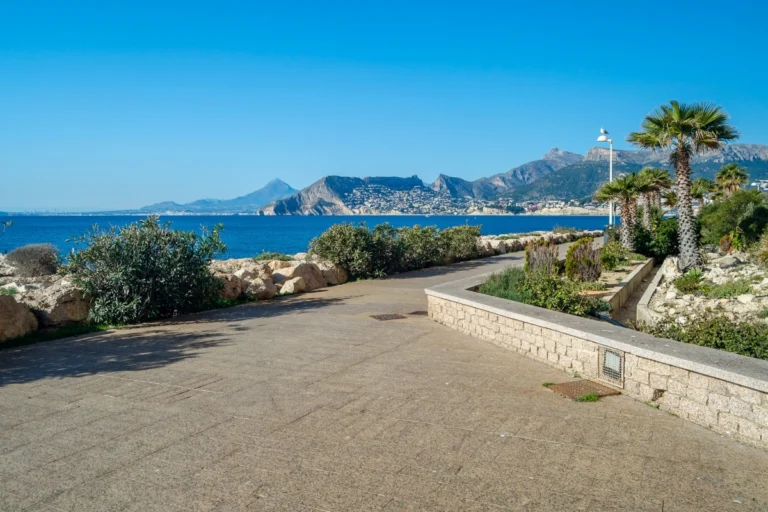
Baños de la Reina is on Calpe’s seafront, between Arenal-Bol Beach and Cala del Morelló. The pools are beside the promenade, close to the old Torre del Molí windmill, making them easy to visit while walking along the coast.

If you’re staying in central Calpe, you can get there on foot. Head towards Arenal-Bol Beach and follow Paseo Marítimo Infanta Elena in the direction of the Peñón de Ifach. You’ll pass Torre del Molí before reaching the pools, with plenty of sea views along the way.

For a booked archaeological tour, use the entrance on Avenida de Europa instead. You’ll find it at Avenida de Europa 20, opposite Hotel Port Europa, on the inland side of the site. Make sure you head there rather than straight to the pools on the seafront.

If you’re coming by car, Avenida de Europa runs parallel to the coast. Finding a parking space can be more difficult, particularly during the busy summer months. Give yourself extra time if you’ve booked a tour.

You may have better luck parking a little further away and walking the remaining distance. Check the signs before leaving your car, as some streets have parking restrictions or charges.

Visiting With Children and Accessibility

Baños de la Reina can be a good stop for families, especially if your children enjoy history. Younger ones might find the 50-minute guided tour a little long, but you can still show them the Roman pools from the seafront without booking a visit.

The rocks around the pools are uneven and can be slippery, so keep younger children close near the water. Comfortable shoes, drinking water and sun protection are sensible, particularly during summer.

The seafront promenade provides an easier way to see the pools without crossing the rocks. There are wooden walkways inside the archaeological site too, although full wheelchair and pushchair accessibility hasn’t been confirmed.

If you need step-free access, email the tour organisers at cabdelareina@esatur.com before booking to ask which parts of the guided route are suitable for your needs.

Is Baños de la Reina Worth Visiting?

Yes, especially if you enjoy history or you’re already spending time around Arenal-Bol Beach. Finding Roman remains beside a busy seafront is quite unusual, and the rock-cut pools are worth a look even if you’re only passing.

For a better understanding of how the Romans lived in Calpe, the guided tour is the more rewarding choice. Seeing the mosaics, houses and waterwheel helps you picture the settlement that once stood here. The visible ruins are relatively modest, though, so don’t expect a large museum or a full-day attraction.

If you’re planning a longer stay in Calpe, you can also explore our holiday rentals in Calpe, with apartments and villas available for direct booking.

Sina
Written by

Sina

Founder of Solinea Real Estate, based in Calpe. Sina helps buyers and sellers across the Costa Blanca North with honest, local guidance.

Stay informed

Join the Calpe buyer list

New listings and local market updates for Calpe and the Costa Blanca North. Occasional emails only.

No spam, and you can unsubscribe any time.

Baños de la Reina in Calpe: Roman Pools, Tours and Visiting Tips

Just beyond Arenal-Bol Beach, six rectangular pools are cut into the rocks beside the Mediterranean. They’re the best-known part of Baños de la Reina, a Roman archaeological site dating back nearly 2,000 years.

The pools were used to keep live fish, but there’s more to the site than what you can see beside the sea. Archaeologists have also uncovered Roman houses, mosaics and bathing rooms further inland. It’s easy to walk past the pools without realising how much history there is here.

Roman archaeological ruins and stone steps beside the Mediterranean Sea at Baños de la Reina in Calpe, with the seafront promenade and Torre del Molí nearby.

Baños de la Reina Guided Tours, Opening Times and Booking

Calp Town Hall runs free guided tours of the archaeological site, where you can explore the Roman settlement and learn more about the people who lived here. Places must be booked in advance, and each group is limited to 25 visitors.

The current guided tour programme runs until 31 March 2027, with the following times:

  • Wednesday to Saturday: 10:00, 11:30 and 13:00
  • Sundays and public holidays: 10:00 and 12:00
  • English-language tours: Wednesday and Friday at 11:30
  • Valencian-language tours: Sunday at 12:00
  • Admission: Free, with advance booking required

The tour usually takes around 50 minutes, with a guide explaining the different ruins and what they were used for.

To book, email cabdelareina@esatur.com with your preferred date, time and number of visitors. If you’d prefer an English-language tour, mention that in your message and wait for confirmation that places are available.

The entrance is on Avenida de Europa. Try to arrive about 10 minutes early so you’re ready when the tour starts.

These times apply to the organised archaeological visits, not the coastal pools beside the promenade. The timetable can change, so check the official Calpe tourism website before visiting, particularly if you’re coming after March 2027.

What Can You See at Baños de la Reina?

Baños de la Reina has three main archaeological areas: the fish ponds beside the sea, the remains of the Roman settlement and the Muntanyeta baths. The fish ponds show how the Romans used the sea, while the houses and bathing rooms tell us more about everyday life.

The Roman Fish-Farming Pools

These are the pools you’ll probably recognise from photographs of Baños de la Reina. They’re cut directly into the coastal rock, with straight sides, dividing walls and channels connecting them to the Mediterranean.

Ancient Roman fish-farming basins carved into the coastal rock at Baños de la Reina in Calpe, filled with clear Mediterranean seawater.

The Romans built six interconnected basins within a larger rectangular area. Four channels allowed fresh seawater to circulate, while perforated gates stopped the fish from escaping.

The system kept fish alive until they were needed, providing a supply of fresh seafood. Building the basins and channels would have required considerable work, and keeping them in good condition would have taken further effort. Their construction suggests this was a substantial investment.

Archaeologists have also suggested that the pools may have served a decorative purpose, allowing people to observe fish and other marine life in the water.

You can still see the individual basins and the channels cut into the rock. Looking at how they connect makes it easier to understand how the Romans controlled the flow of seawater.

The Roman Settlement and Mosaics

The remains further inland reveal a much larger Roman settlement than you might expect. The first houses date back to the 1st and 2nd centuries AD. Over time, the area developed into a substantial residential complex with decorated floors, private baths and some impressive buildings.

One of the main discoveries is the Domus Rotunda, a large Roman house built around a circular courtyard. It had its own bathing rooms and a circular mosaic, giving you an idea of how comfortably some of Calpe’s Roman residents lived.

Archaeologists also uncovered an unusual waterwheel system cut into the rock. It supplied the settlement with fresh water, something the residents would have needed for everyday life.

The guided visitor routes follow wooden walkways through the remains. One takes you towards the Domus Rotunda and its mosaics, while another covers the waterwheel and earlier Roman buildings.

People continued living in the area long after those first houses were built. Finds dating from the 5th and 6th centuries include a small Christian church, a baptistery and a burial area.

Archaeologists estimate that only around a quarter of the site has been excavated.

The Muntanyeta Roman Baths

The Muntanyeta baths are another part of the archaeological complex. Unlike the fish ponds beside the sea, these were actual Roman bathing facilities, with separate areas for bathing at different temperatures.

Their remains were discovered in 1993 during work on the coastal breakwater. Archaeologists found a cold-water bathing area, warmer rooms and parts of the original heating system.

Hot air travelled beneath raised floors and through spaces inside the walls to warm the bathing rooms. It meant the Romans could keep the rooms heated without having an open fire inside them.

The baths also had patterned flooring and grey marble brought from what is now Algeria.

The Muntanyeta complex is separate from the private baths at the Domus Rotunda. The current guided-tour information doesn’t specify which parts of Muntanyeta visitors can enter.

Why Is It Called Baños de la Reina?

Baños de la Reina means “Queen’s Baths”, a name that comes from an old local legend about a Moorish queen who supposedly bathed in the pools beside the sea.

According to the story, the queen travelled from her palace through a secret underground passage leading directly to the water. That way, she could enjoy her baths in private without having to walk down to the shore.

Old drainage passages found around the archaeological site may help explain where the story came from. They’re now blocked, but over the centuries, people began imagining them as secret tunnels connecting the pools to a royal palace.

It’s a local legend rather than historical fact. The pools were built during the Roman period, long before the Moors arrived in this part of Spain.

The story has survived, though, and Baños de la Reina is still the name used for the site today.

Can You Swim in the Roman Pools?

You may see people swimming in the seawater-filled pools at Baños de la Reina, particularly during the warmer months. The basins are sheltered by the surrounding rock, and the water can look beautifully clear.

However, the current official visitor information doesn’t clearly state whether swimming inside the historic basins is permitted. This is a protected archaeological site, so seeing other people in the water doesn’t necessarily mean you’re allowed to enter. Check the signs or contact Tourist Info Calpe at turismo@ajcalp.es before planning to swim there.

The rocky shoreline also needs some care. Parts are uneven and slippery, with submerged stone walls and channels leading towards the open sea. Waves can make getting in and out difficult, even when the water initially looks calm.

Avoid jumping from the rocks or entering water where you can’t see the bottom. Water shoes with a good grip are sensible around this part of the coast.

If you’re looking for somewhere to swim, Cala del Morelló is right beside the archaeological area. It’s a small cove with a sandy section and direct access to the sea, so you can enjoy the surroundings without entering the historic pools.

How to Get There and Where to Park

Baños de la Reina is on Calpe’s seafront, between Arenal-Bol Beach and Cala del Morelló. The pools are beside the promenade, close to the old Torre del Molí windmill, making them easy to visit while walking along the coast.

If you’re staying in central Calpe, you can get there on foot. Head towards Arenal-Bol Beach and follow Paseo Marítimo Infanta Elena in the direction of the Peñón de Ifach. You’ll pass Torre del Molí before reaching the pools, with plenty of sea views along the way.

For a booked archaeological tour, use the entrance on Avenida de Europa instead. You’ll find it at Avenida de Europa 20, opposite Hotel Port Europa, on the inland side of the site. Make sure you head there rather than straight to the pools on the seafront.

If you’re coming by car, Avenida de Europa runs parallel to the coast. Finding a parking space can be more difficult, particularly during the busy summer months. Give yourself extra time if you’ve booked a tour.

You may have better luck parking a little further away and walking the remaining distance. Check the signs before leaving your car, as some streets have parking restrictions or charges.

Visiting With Children and Accessibility

Baños de la Reina can be a good stop for families, especially if your children enjoy history. Younger ones might find the 50-minute guided tour a little long, but you can still show them the Roman pools from the seafront without booking a visit.

The rocks around the pools are uneven and can be slippery, so keep younger children close near the water. Comfortable shoes, drinking water and sun protection are sensible, particularly during summer.

The seafront promenade provides an easier way to see the pools without crossing the rocks. There are wooden walkways inside the archaeological site too, although full wheelchair and pushchair accessibility hasn’t been confirmed.

If you need step-free access, email the tour organisers at cabdelareina@esatur.com before booking to ask which parts of the guided route are suitable for your needs.

Is Baños de la Reina Worth Visiting?

Yes, especially if you enjoy history or you’re already spending time around Arenal-Bol Beach. Finding Roman remains beside a busy seafront is quite unusual, and the rock-cut pools are worth a look even if you’re only passing.

For a better understanding of how the Romans lived in Calpe, the guided tour is the more rewarding choice. Seeing the mosaics, houses and waterwheel helps you picture the settlement that once stood here. The visible ruins are relatively modest, though, so don’t expect a large museum or a full-day attraction.

If you’re planning a longer stay in Calpe, you can also explore our holiday rentals in Calpe, with apartments and villas available for direct booking.

Leave a Comment